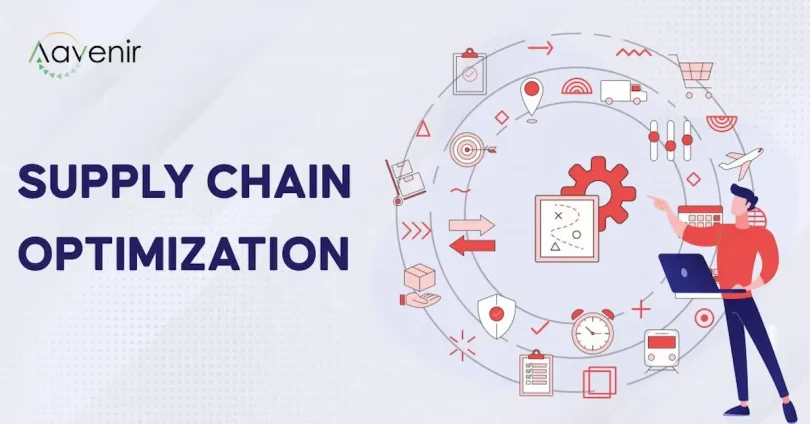

In today’s fast-moving business world, companies need efficient supply chains to stay competitive and meet customer expectations. Delays, high transportation costs, poor inventory management, and inefficient operations can reduce profits and affect business growth
This is why supply chain optimization is becoming more important than ever. It helps businesses improve processes, reduce waste, increase efficiency, and deliver products faster and more accurately
By applying the right supply chain optimization strategies, companies can lower operational costs, improve customer satisfaction, and strengthen overall business performance
In this article, you will learn the best supply chain optimization tips, key benefits, common challenges, and useful tools that can help businesses succeed in 2026
What Is Supply Chain Optimization?
Supply chain optimization is the process of improving supply chain activities to make business operations faster, more efficient, and cost-effective
It focuses on managing inventory, transportation, warehousing, suppliers, and logistics in the best possible way to improve overall performance
Simple Meaning
In simple words, supply chain optimization means finding smarter ways to move products from suppliers to customers while saving time, reducing costs, and improving service quality
Main Purpose of Supply Chain Optimization
The main goal is to improve efficiency, reduce waste, lower operational costs, and ensure products are delivered on time
How Supply Chain Optimization Works
Businesses analyze supply chain data, identify weak areas, and improve processes using technology, automation, and better planning strategies
What Areas Can Be Optimized
Supply chain optimization can improve many business areas such as:
- Inventory management
- Transportation and delivery
- Warehouse operations
- Supplier management
- Production planning
- Order fulfillment
Helps Reduce Costs
Optimization helps businesses reduce expenses related to storage, transportation, labor, and inventory management
Improves Delivery Performance
Efficient supply chains help products reach customers faster and more accurately, improving customer satisfaction
Supports Better Decision Making
Businesses use analytics and real-time data to make smarter supply chain decisions and improve overall operations
Important for Modern Businesses
In today’s competitive market, businesses need optimized supply chains to meet customer demands, handle market changes, and stay ahead of competitors
Useful for All Industries
Supply chain optimization is important for ecommerce, retail, manufacturing, healthcare, logistics, and many other industries
Overall, supply chain optimization helps businesses improve efficiency, increase profitability, and achieve long-term growth in 2026
you may also like to read these posts;
AI Business Automation Tips for Faster Growth 2026
Marketing Automation Guide 2026 Boost Sales Fast
Small Business Automation Guide for 2026 Growth & Success
How to Automate Business Tasks in 2026
Workflow Automation Software Guide for 2026
Why Supply Chain Optimization Is Important
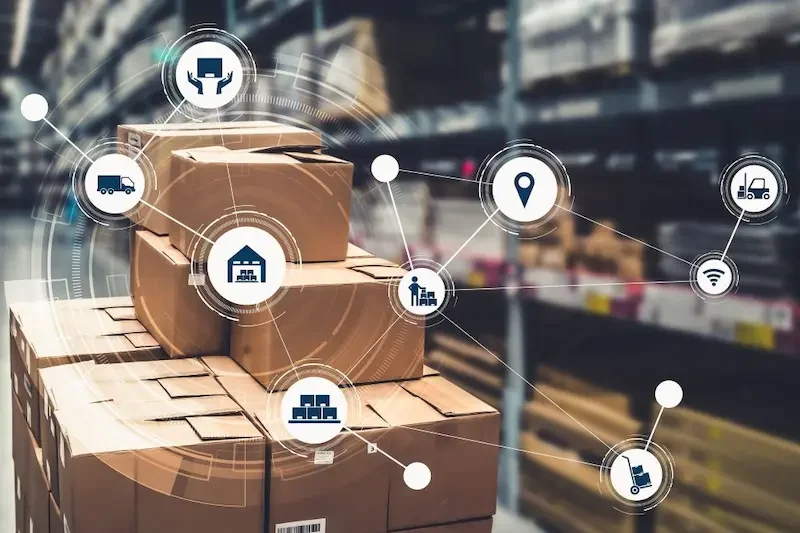
Supply chain optimization is important because it helps businesses improve operations, reduce unnecessary costs, increase efficiency, and deliver products to customers in the best possible way
Reduces Operational Costs
Optimization helps businesses lower expenses related to transportation, storage, labor, packaging, and inventory management by improving planning and resource usage
Improves Overall Efficiency
Efficient supply chain processes reduce delays, improve workflow, and help businesses complete tasks faster and more accurately
Faster Product Delivery
Optimized logistics and transportation systems help products reach customers quickly and on time, improving customer experience
Better Inventory Management
Businesses can maintain the right stock levels and avoid problems like overstocking, shortages, or wasted inventory
Improves Customer Satisfaction
When customers receive products quickly and correctly, they are more likely to trust the business and become repeat buyers
Increases Profitability
Lower operational costs and improved efficiency help businesses increase profit margins and overall financial performance
Supports Better Decision Making
Supply chain optimization uses real-time data, analytics, and reporting tools to help businesses make smarter decisions
Helps Manage Supply Chain Risks
Businesses can identify problems early such as supplier delays, transportation issues, or demand changes and respond quickly to reduce disruptions
Improves Supplier Relationships
Better communication and coordination with suppliers improve product quality, reliability, and delivery performance
Enhances Productivity
Automation and optimized workflows help employees work more efficiently and reduce manual tasks
Improves Demand Forecasting
Businesses can better predict customer demand and prepare inventory accordingly to avoid losses or shortages
Supports Business Growth
Efficient supply chains make it easier for businesses to expand operations, enter new markets, and handle increasing customer demand
Provides Competitive Advantage
Companies with optimized supply chains can offer lower prices, faster delivery, and better service than competitors
Improves Sustainability
Optimization reduces waste, fuel usage, and unnecessary transportation, helping businesses operate in a more environmentally friendly way
Important in Modern Business
In today’s fast-moving market customers expect quick delivery, lower prices, and reliable service supply chain optimization helps businesses meet these expectations efficiently
Overall, supply chain optimization is essential for improving efficiency, reducing costs, increasing customer satisfaction, and achieving long-term business success in 2026
Best Supply Chain Optimization Tips
Businesses that optimize their supply chains can reduce costs, improve efficiency, deliver products faster, and increase customer satisfaction. Using smart strategies and modern technology helps companies stay competitive and achieve long-term growth
Use Supply Chain Management Software
Modern software helps automate operations, track inventory, monitor shipments, and manage supply chain activities in real time
Improve Demand Forecasting
Use historical data, market trends, and customer behavior to predict demand accurately and avoid inventory problems
Optimize Inventory Levels
Keep the right amount of stock available to prevent overstocking, shortages, and unnecessary storage costs
Strengthen Supplier Relationships
Maintain strong communication with suppliers to improve reliability, product quality, and delivery speed
Diversify Suppliers
Working with multiple suppliers reduces the risk of disruptions caused by delays or shortages from a single supplier supply chain optimization tips
Automate Repetitive Tasks
Automation reduces manual work, improves accuracy, and saves time in tasks such as inventory tracking and order processing
Use Data Analytics
Analyze supply chain data to identify weak areas, improve decision-making, and increase operational efficiency
Improve Warehouse Management
Organize warehouse layouts properly and use technology to speed up storage, picking, packing, and shipping processes
Optimize Transportation Routes
Smart route planning reduces fuel costs, improves delivery times, and increases transportation efficiency supply chain optimization tips
Track Key Performance Indicators (KPIs)
Monitor metrics such as delivery time, inventory turnover, order accuracy, and logistics costs to measure supply chain performance
Focus on Customer Satisfaction
Provide fast delivery, accurate orders, and reliable support to improve customer trust and loyalty supply chain optimization tips
Use Real-Time Tracking
Real-time tracking systems help businesses monitor shipments and inventory instantly, improving visibility and control supply chain optimization tips
Reduce Supply Chain Risks
Prepare backup plans for supplier delays, transportation issues, or sudden demand changes to avoid disruptions supply chain optimization tips
Improve Communication Across Teams
Strong coordination between suppliers, warehouses, logistics teams, and management improves workflow and reduces mistakes
Use Cloud-Based Technology
Cloud solutions allow businesses to access data from anywhere and improve collaboration across departments supply chain optimization tips
Invest in Employee Training
Train employees regularly so they understand supply chain processes, tools, and optimization strategies better supply chain optimization tips
Improve Sustainability Practices
Reduce waste, optimize fuel usage, and use eco-friendly packaging to create a more sustainable supply chain supply chain optimization tips
Review and Improve Processes Regularly
Continuously evaluate supply chain performance and update strategies to improve efficiency and reduce operational costs
Use Artificial Intelligence and Automation
AI tools help predict demand, optimize routes, automate workflows, and improve supply chain decision-making
Build Flexible Supply Chains
Flexible supply chains help businesses respond quickly to market changes, customer demand, and unexpected disruptions
By applying these supply chain optimization tips, businesses can improve productivity, reduce operational costs, increase efficiency, and achieve stronger business growth in 2026 supply chain optimization tips
Common Supply Chain Optimization Challenges
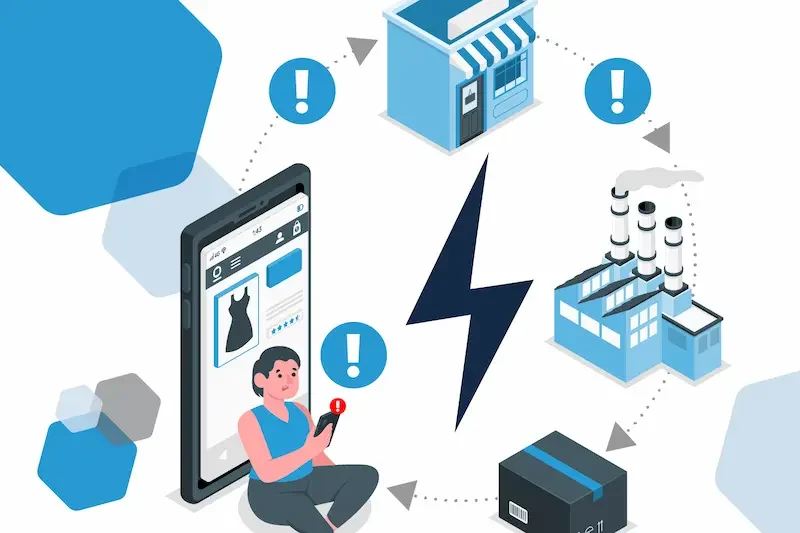
Supply chain optimization can improve efficiency and reduce costs, but businesses often face several challenges that make optimization difficult. Understanding these challenges helps companies prepare better strategies and improve overall performance
Demand Fluctuations
Customer demand can change suddenly due to seasonal trends, market conditions, or changing customer preferences. This can create inventory shortages or excess stock
Transportation Delays
Traffic, weather conditions, fuel shortages, port congestion, and shipping issues can delay deliveries and affect customer satisfaction supply chain optimization tips
High Logistics Costs
Transportation, fuel, warehousing, packaging, and labor costs can increase operational expenses and reduce profitability
Inventory Management Problems
Poor inventory planning may result in overstocking, stock shortages, expired products, or wasted storage space
Supplier Reliability Issues
Late deliveries, poor-quality materials, or communication problems with suppliers can disrupt the supply chain process
Poor Communication and Coordination
Lack of communication between suppliers, warehouses, logistics providers, and internal teams can create delays and operational confusion
Inaccurate Data and Forecasting
Using outdated or incorrect data can lead to poor demand forecasting, inventory errors, and weak business decisions
Technology Integration Challenges
Some businesses struggle to connect new supply chain software with existing systems, leading to inefficiency and data issues
Lack of Real-Time Visibility
Without real-time tracking, businesses may not know shipment status, inventory levels, or delivery progress instantly
Supply Chain Disruptions
Natural disasters, pandemics, political instability, or economic crises can interrupt supply chain operations unexpectedly
Rising Customer Expectations
Customers now expect faster delivery, accurate orders, and better service, putting more pressure on supply chain operations
Workforce Shortages
Lack of skilled workers or insufficient employee training can reduce productivity and increase mistakes in operations
Global Supply Chain Complexity
International supply chains may face customs delays, currency fluctuations, international regulations, and communication barriers
Cybersecurity Risks
Digital supply chains and cloud-based systems can face cyber threats, hacking, and data security issues if not protected properly supply chain optimization tips
Sustainability and Environmental Pressure
Businesses are expected to reduce waste, lower carbon emissions, and use eco-friendly practices while maintaining efficiency supply chain optimization tips
Limited Budget and Resources
Small businesses may struggle to invest in advanced technology, automation, and supply chain optimization tools supply chain optimization tips
Poor Warehouse Management
Disorganized warehouses can slow down order fulfillment, increase errors, and reduce operational efficiency supply chain supply chain optimization tipsoptimization tips
Difficulty Managing Returns
Handling returned products efficiently can be difficult and may increase operational costs and inventory problems supply chain optimization tips
Resistance to Change
Employees and management may resist adopting new technologies or processes, slowing optimization efforts supply chain optimization tips
Maintaining Product Quality
Ensuring consistent product quality across suppliers, warehouses, and transportation stages can be challenging supply chain optimization tips
Even with these challenges, businesses can improve supply chain optimization by using technology, automation, better planning, and strong communication strategies to achieve success in 2026 supply chain optimization tips
What is supply chain optimization?
Supply chain optimization is the process of improving supply chain operations to reduce costs, increase efficiency, and improve product delivery
Why is supply chain optimization important?
It helps businesses improve efficiency, lower operational costs, manage inventory better, and increase customer satisfaction
What are the best supply chain optimization tips?
Important tips include improving forecasting, optimizing inventory, automating tasks, using analytics, and strengthening supplier relationships
Conclusion
Supply chain optimization is essential for businesses that want to improve efficiency, reduce operational costs, and deliver products faster and more accurately
By using the right optimization strategies, modern technology, automation, and data analytics, businesses can improve inventory management, strengthen supplier relationships, and increase overall productivity
It also helps companies respond quickly to market changes, improve customer satisfaction, and maintain a strong competitive advantage
In 2026, businesses that focus on supply chain optimization will be better prepared for growth, operational success, and long-term profitability