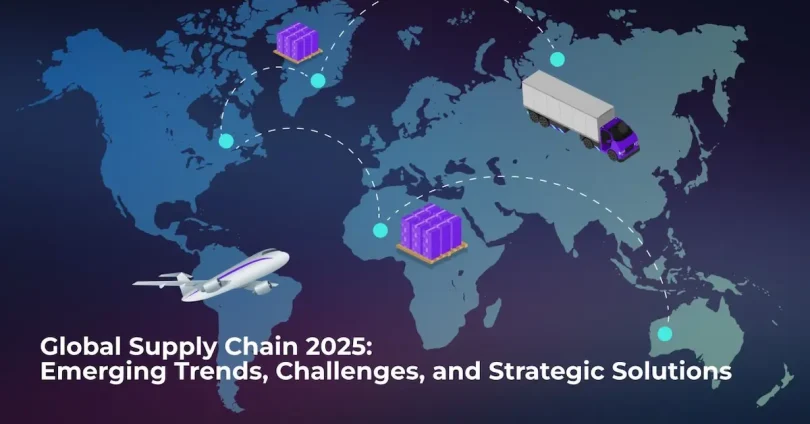

Global supply chains are changing faster than ever due to new technologies, rising customer expectations, and increasing global trade. Businesses today must understand and adapt to these changes to stay competitive in the international market
Global supply chain trends show how companies are improving the way products are sourced, manufactured, stored, and delivered across different countries
These trends are driven by innovation in areas like artificial intelligence, automation, cloud computing, and data analytics, which are making supply chains faster, smarter, and more efficient
In 2026, businesses that follow the latest global supply chain trends can improve efficiency, reduce costs, increase delivery speed, and achieve better customer satisfaction
In this guide, you will learn the most important global supply chain trends, their benefits, challenges, and how businesses can adapt to stay ahead in the global market
What Are Global Supply Chain Trends?
Global supply chain trends refer to the latest changes, innovations, and modern practices that shape how goods and services move across international markets from suppliers to final customers
These trends show how businesses are improving their supply chain systems to become faster, smarter, more flexible, and more cost-effective in a highly competitive global economy
Simple Meaning
In simple words, global supply chain trends are new technologies, strategies, and methods that companies use to improve how products are sourced, produced, stored, and delivered worldwide
Why Global Supply Chain Trends Are Emerging
These trends are developing because businesses are facing:
- Increasing customer expectations for faster delivery
- Rising global competition
- Advances in technology
- Higher transportation and logistics costs
- Demand for better transparency and tracking
- Global disruptions like pandemics or economic changes
Key Focus Areas of Global Supply Chain Trends
Modern supply chain trends mainly focus on improving:
- Speed of delivery
- Cost efficiency
- Real-time visibility
- Automation and digital systems
- Sustainability and environmental impact
- Global coordination and communication
Role of Technology in Supply Chain Trends
Technology is the biggest driver of change in global supply chains. Tools like:
- Artificial intelligence (AI)
- Machine learning
- Cloud computing
- Blockchain
- Internet of Things (IoT)
- Robotics and automation
are helping businesses improve forecasting, tracking, inventory management, and logistics efficiency
Importance for Global Businesses
Global supply chain trends are important because they help businesses:
- Improve operational efficiency
- Reduce delays and errors
- Lower costs
- Improve customer satisfaction
- Compete in international markets
- Expand business globally
How Trends Improve Supply Chain Performance
These trends make supply chains more efficient by enabling:
- Real-time shipment tracking
- Automated warehouse operations
- Accurate demand forecasting
- Faster decision-making using data analytics
- Better coordination between global partners
Real-World Example
A global company using AI-based supply chain systems can predict product demand in different countries and automatically adjust inventory levels to avoid shortages or overstocking
Impact on Global Trade
Global supply chain trends make international trade easier by improving communication, reducing delays at borders, and increasing transparency between countries and companies
Shift Toward Digital Supply Chains
Traditional manual systems are being replaced with digital platforms that allow businesses to manage everything from sourcing to delivery through a single system
Future Direction
In 2026 and beyond, global supply chain trends will focus heavily on:
- Full automation of logistics
- Smart warehouses
- Predictive analytics
- Sustainable supply chains
- End-to-end digital visibility
Overall, global supply chain trends represent the continuous evolution of how businesses operate worldwide, making supply chains faster, more intelligent, and more reliable in the modern era
you may also like to read these posts;
AI Business Automation Tips for Faster Growth 2026
Marketing Automation Guide 2026 Boost Sales Fast
Small Business Automation Guide for 2026 Growth & Success
How to Automate Business Tasks in 2026
Workflow Automation Software Guide for 2026
Top Global Supply Chain Trends in 2026
Global supply chains are rapidly evolving due to technology, customer demands, and international trade changes. Below are the most important trends shaping the industry in 2026
1. Artificial Intelligence (AI) in Supply Chains
AI is widely used for demand forecasting, route optimization, inventory planning, and automation. It helps businesses make faster and more accurate decisions
2. Automation and Robotics
Warehouses and logistics centers are increasingly using robots and automated systems to speed up picking, packing, and shipping processes
3. Real-Time Supply Chain Visibility
Businesses now use tracking systems to monitor inventory, shipments, and deliveries in real time for better control and transparency
4. Cloud-Based Supply Chain Systems
Cloud platforms allow companies to manage supply chain operations from anywhere, improving communication and global coordination
5. Sustainable and Green Supply Chains
Companies are focusing on reducing carbon emissions, using eco-friendly packaging, and optimizing transportation to support sustainability
6. Blockchain Technology
Blockchain improves transparency, traceability, and security in global transactions and supply chain data sharing
7. Digital Transformation
Traditional supply chain systems are being replaced with digital platforms that improve speed, accuracy, and efficiency
8. Predictive Analytics and Big Data
Businesses use data analytics to predict demand, reduce risks, and improve supply chain planning and performance
9. Supply Chain Resilience
Companies are building flexible supply chains that can quickly respond to disruptions like pandemics, wars, or natural disasters
10. Globalization and Diversified Sourcing
Businesses are sourcing materials from multiple countries to reduce risk and improve cost efficiency
11. Internet of Things (IoT) in Logistics
IoT devices help track goods, monitor storage conditions, and improve real-time logistics visibility
12. Smart Warehousing
Modern warehouses use automation, AI, and robotics to improve storage, speed, and order fulfillment accuracy
13. Cybersecurity in Supply Chains
As supply chains become more digital, protecting data and systems from cyber threats is becoming a top priority
14. Last-Mile Delivery Optimization
Companies are improving final delivery processes using drones, electric vehicles, and local distribution centers
15. On-Demand Supply Chains
Businesses are moving toward flexible supply chains that respond quickly to changing customer demand
Overall, these global supply chain trends are transforming how businesses operate, making supply chains faster, smarter, and more efficient in 2026
Why Global Supply Chain Trends Are Important
Global supply chain trends are important because they help businesses understand how modern supply chains are evolving and how they can stay competitive in a fast-changing global market
Improve Business Efficiency
These trends help businesses adopt smarter systems and technologies that improve overall speed, accuracy, and productivity
Reduce Operational Costs
By using automation, data analytics, and better planning, companies can reduce transportation, storage, and production costs
Increase Delivery Speed
Modern supply chain trends focus on faster logistics and optimized transportation, helping businesses deliver products more quickly
Improve Customer Satisfaction
Faster delivery, real-time tracking, and accurate order fulfillment improve customer experience and build trust
Support Global Expansion
Trends like digital supply chains and cloud systems make it easier for businesses to operate across different countries
Better Decision Making
Data-driven tools and AI help businesses make smarter decisions related to inventory, demand forecasting, and logistics
Improve Supply Chain Visibility
Real-time tracking systems give businesses full visibility of their products from suppliers to customers
Increase Flexibility
Modern supply chains can quickly adjust to changes in demand, market conditions, or global disruptions
Reduce Risks and Disruptions
Businesses can identify potential risks early and prepare backup plans for supply chain issues
Improve Sustainability
Many trends focus on reducing waste, lowering carbon emissions, and improving eco-friendly logistics practices
Enhance Competitiveness
Companies that adopt modern supply chain trends can offer better services, faster delivery, and lower costs than competitors
Strengthen Supplier Relationships
Better communication and digital tools improve coordination between suppliers and businesses
Boost Productivity
Automation and smart systems reduce manual work and increase efficiency across operations
Improve Inventory Management
Advanced forecasting and analytics help businesses maintain the right stock levels
Support Innovation
Global supply chain trends encourage businesses to adopt new technologies like AI, IoT, and blockchain
Enable Real-Time Tracking
Companies can track shipments and inventory in real time for better control and transparency
Increase Profitability
Lower costs and improved efficiency lead to higher profit margins
Overall, global supply chain trends are essential because they help businesses improve performance, reduce costs, increase customer satisfaction, and stay competitive in the global market in 2026
Benefits of Following Global Supply Chain Trends
Following global supply chain trends helps businesses stay updated with modern technologies and improve their overall performance in a competitive market
Better Operational Efficiency
Modern trends help businesses streamline processes, reduce delays, and improve coordination across the supply chain
Lower Costs
Using automation, AI, and digital systems helps reduce transportation, storage, and operational expenses
Faster Product Delivery
Optimized logistics and smart supply chain systems ensure faster and more reliable delivery to customers
Improved Customer Experience
Real-time tracking, accurate orders, and quick delivery improve customer satisfaction and trust
Better Inventory Management
Advanced forecasting tools help maintain proper stock levels and avoid shortages or overstocking
Increased Transparency
Businesses gain better visibility into every stage of the supply chain, improving control and accountability
Stronger Decision Making
Data analytics and AI tools help companies make smarter and faster business decisions
Improved Risk Management
Businesses can identify disruptions early and take action to reduce supply chain risks
Higher Productivity
Automation reduces manual tasks and allows employees to focus on more important work
Greater Flexibility
Modern supply chains can quickly adapt to market changes, customer demand, or global disruptions
Competitive Advantage
Companies using the latest trends can offer better services, faster delivery, and lower prices than competitors
Better Supplier Collaboration
Digital tools improve communication and coordination with suppliers worldwide
Support for Global Expansion
Modern supply chain systems make it easier for businesses to operate in international markets
Enhanced Sustainability
Eco-friendly practices reduce waste, emissions, and environmental impact
Real-Time Monitoring
Businesses can track shipments, inventory, and performance in real time for better control
Improved Forecasting
Predictive analytics help businesses understand future demand more accurately
Reduced Lead Time
Efficient processes reduce the time between order placement and delivery
Increased Profitability
Lower costs and improved efficiency lead to higher profit margins
Innovation and Growth
Following global trends encourages businesses to adopt new technologies and grow faster
Overall, following global supply chain trends helps businesses improve efficiency, reduce costs, and stay competitive in the global market in 2026
Challenges in Global Supply Chains

While global supply chain trends bring many benefits, businesses also face several challenges when adopting and managing modern supply chain systems
Supply Chain Disruptions
Natural disasters, pandemics, political issues, and global conflicts can interrupt the smooth flow of goods
High Transportation Costs
Rising fuel prices, shipping charges, and international logistics costs increase overall expenses
Technology Integration Issues
Many businesses struggle to adopt new systems like AI, automation, and cloud-based platforms
Cybersecurity Risks
As supply chains become more digital, they are more exposed to data breaches and cyberattacks
Complex Global Operations
Managing suppliers, regulations, and logistics across multiple countries can be difficult
Lack of Skilled Workforce
Businesses often face a shortage of skilled professionals who can manage advanced supply chain systems
Data Accuracy Problems
Incorrect or outdated data can lead to poor forecasting and inventory mistakes
Supplier Reliability Issues
Delays or poor performance from suppliers can affect the entire supply chain
Inventory Management Challenges
Overstocking or stock shortages can occur due to poor planning or inaccurate demand forecasting
Regulatory Compliance
Different countries have different trade laws, taxes, and customs regulations that can be difficult to manage
Communication Gaps
Poor coordination between suppliers, warehouses, and logistics teams can lead to delays and errors
Environmental Pressures
Companies are under pressure to reduce emissions and adopt sustainable practices, which can increase operational complexity
Rapid Market Changes
Changing customer demands and market trends require businesses to adapt quickly
Infrastructure Limitations
Poor transport systems or storage facilities in some regions can slow down operations
High Implementation Costs
Advanced technologies like AI and automation require significant investment
Lack of Real-Time Visibility
Without proper tracking systems, businesses may struggle to monitor shipments and inventory accurately
Overall, these challenges show that while global supply chain trends are powerful, businesses must carefully plan and invest in the right strategies to successfully manage modern supply chains in 2026
What are global supply chain trends?
Global supply chain trends are the latest changes and innovations in how products are sourced, managed, and delivered across international markets
Why are global supply chain trends important?
They help businesses improve efficiency, reduce costs, increase delivery speed, and stay competitive in the global market
What are the top global supply chain trends in 2026?
Key trends include AI, automation, real-time tracking, cloud systems, sustainability, blockchain, and data analytics
Conclusion
Global supply chain trends are shaping the future of how businesses operate, compete, and deliver products across the world
By adopting modern technologies such as AI, automation, cloud systems, and real-time tracking, companies can improve efficiency, reduce costs, and enhance customer satisfaction
These trends also help businesses become more flexible, resilient, and prepared for global challenges and market changes
In 2026, companies that follow and adapt to global supply chain trends will have a strong competitive advantage and better opportunities for long-term growth and success