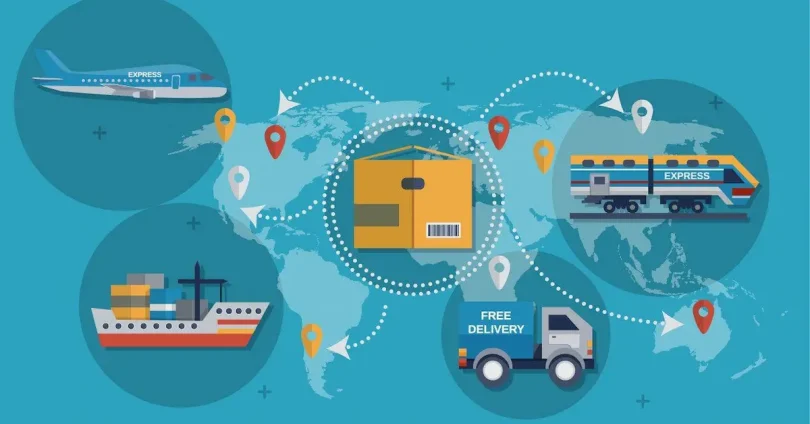

In today’s fast-moving business environment, companies need efficient systems to move products from suppliers to customers quickly and smoothly. Businesses rely on strong logistics and supply chain operations to manage transportation, storage, inventory, and product delivery effectively
Logistics and supply chain management play a major role in reducing operational costs, improving efficiency, and increasing customer satisfaction. Without proper management, businesses may face delays, inventory problems, and higher expenses
As customer expectations continue to grow in 2026, businesses must improve their logistics and supply chain processes to stay competitive and achieve long-term success
In this article, you will learn what logistics and supply chain management are, how they work, their key components, benefits, common challenges, and best practices for modern businesses
What Is Logistics and Supply Chain?
Logistics and supply chain management are important business processes that help move products from suppliers to customers efficiently and smoothly
What Is Logistics?
Logistics is the process of transporting, storing, and delivering goods from one place to another. It focuses on activities such as shipping, warehousing, inventory handling, and order delivery
The main goal of logistics is to ensure products are delivered to the right place at the right time and at the lowest possible cost
What Is Supply Chain Management?
Supply chain management is a broader process that manages the complete flow of products, services, and information from raw materials to the final customer
It includes sourcing materials, manufacturing products, inventory management, warehousing, transportation, logistics, and customer delivery
Simple Difference Between Logistics and Supply Chain
Logistics mainly focuses on transportation and storage while supply chain management covers the entire process from suppliers to customers
In simple words logistics is one important part of the overall supply chain system
How Logistics and Supply Chain Work Together
Both systems work together to ensure smooth business operations. Supply chain management handles overall coordination while logistics manages the movement and storage of products
Main Activities in Logistics and Supply Chain
Some important activities include:
- Sourcing raw materials
- Manufacturing products
- Managing inventory
- Warehousing and storage
- Transportation and shipping
- Order fulfillment
- Product delivery
- Customer support and returns
Importance in Modern Business
Efficient logistics and supply chain systems help businesses reduce costs, improve productivity, deliver products faster, and improve customer satisfaction
Industries That Use Logistics and Supply Chain
Almost every industry uses these systems including ecommerce, retail, manufacturing, healthcare, food, and transportation businesses
Overall logistics and supply chain management are essential for businesses that want to improve efficiency, manage operations smoothly, and achieve long-term success in 2026
you may also like to read these posts;
AI Business Automation Tips for Faster Growth 2026
Marketing Automation Guide 2026 Boost Sales Fast
Small Business Automation Guide for 2026 Growth & Success
How to Automate Business Tasks in 2026
Workflow Automation Software Guide for 2026
Difference Between Logistics and Supply Chain Management
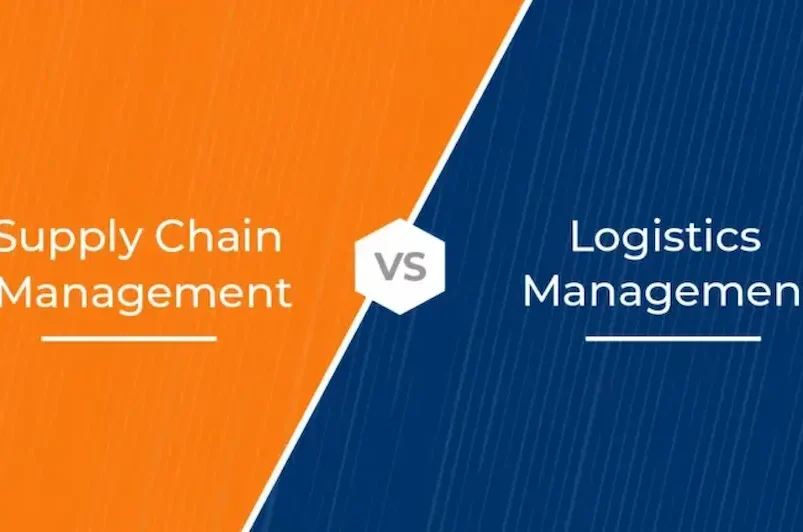
Although logistics and supply chain management are closely connected, they are not the same. Logistics is a part of supply chain management, while supply chain management covers the complete flow of products and operations
What Is Logistics?
Logistics focuses mainly on the movement, storage, and delivery of products. It manages transportation, warehousing, shipping, and order fulfillment to ensure products reach customers efficiently
What Is Supply Chain Management?
Supply chain management is a broader system that manages the entire process from sourcing raw materials to delivering finished products to customers. It includes suppliers, production, inventory, logistics, and customer service
Main Difference
The main difference is that logistics handles transportation and storage activities while supply chain management oversees the complete coordination of all supply chain operations
Scope of Logistics
Logistics mainly includes:
- Transportation
- Shipping
- Warehousing
- Inventory movement
- Order fulfillment
Scope of Supply Chain Management
Supply chain management includes:
- Supplier management
- Demand forecasting
- Production planning
- Inventory management
- Logistics and transportation
- Customer service
How They Work Together
Supply chain management creates the overall strategy while logistics handles the physical movement and storage of goods within that strategy
Importance for Businesses
Both logistics and supply chain management are important because they help businesses reduce costs, improve delivery speed, increase efficiency, and improve customer satisfaction
Overall logistics and supply chain management work together to ensure products move smoothly from suppliers to customers while supporting business growth and operational success in 2026
Why Logistics and Supply Chain Management Is Important
Logistics and supply chain management are important because they help businesses move products efficiently from suppliers to customers while reducing costs and improving overall operations
Improves Business Efficiency
Efficient logistics and supply chain systems help businesses operate smoothly by reducing delays and improving workflow across all operations
Reduces Operational Costs
Better transportation planning, inventory management, and warehouse organization help lower business expenses and reduce waste
Faster Product Delivery
Good logistics systems ensure products are delivered quickly and on time, improving customer experience and trust
Improves Customer Satisfaction
Customers expect fast delivery, accurate orders, and reliable service. Efficient supply chain management helps businesses meet these expectations
Better Inventory Management
Businesses can maintain the right stock levels and avoid overstocking or shortages through proper inventory control
Supports Business Growth
Strong logistics and supply chain systems help businesses scale operations, manage higher demand, and expand into new markets
Improves Coordination and Communication
Supply chain management connects suppliers, manufacturers, warehouses, and logistics teams into one organized system for better collaboration
Helps Manage Risks
Businesses can identify and respond to supply chain disruptions, transportation delays, or supplier issues more effectively
Increases Profitability
Lower operational costs and improved efficiency help businesses increase profits and overall financial performance
Provides Competitive Advantage
Companies with efficient logistics and supply chain operations can offer better service, faster delivery, and lower prices than competitors
Supports Better Decision Making
Modern supply chain systems use data analytics and real-time tracking to help businesses make smarter operational decisions
Important in Modern Business
In today’s competitive market, businesses must deliver products quickly, efficiently, and at low cost. Logistics and supply chain management help companies meet these expectations successfully
Overall logistics and supply chain management are essential for improving efficiency, reducing costs, increasing customer satisfaction, and achieving long-term business success in 2026
Benefits of Logistics and Supply Chain Management
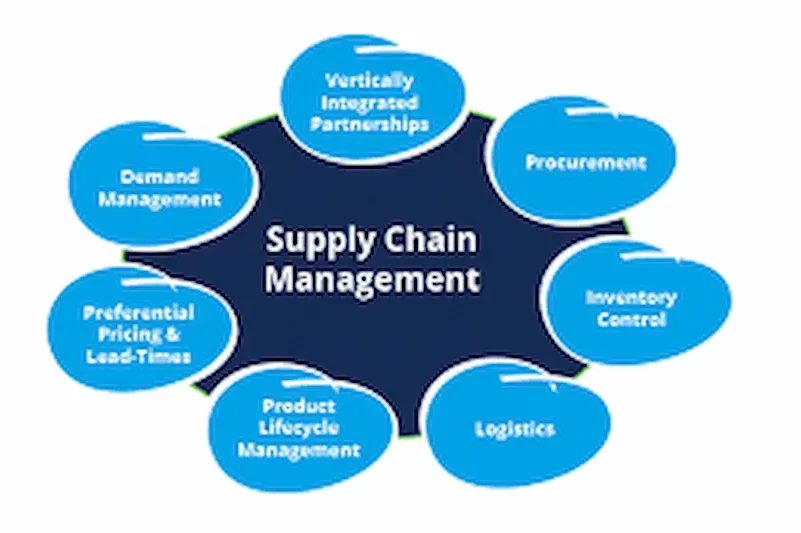
Logistics and supply chain management offer many valuable benefits that help businesses improve operations, reduce costs, increase efficiency, and provide better customer service
Lower Operational Costs
Efficient transportation, warehousing, and inventory management help businesses reduce unnecessary expenses and improve profitability
Faster Product Delivery
Well-managed logistics systems ensure products are delivered quickly and on time, improving customer satisfaction and loyalty
Better Inventory Management
Businesses can maintain proper stock levels, avoid shortages, and reduce overstocking through accurate inventory control
Improved Business Efficiency
Organized supply chain processes reduce delays, improve workflow, and increase operational productivity
Higher Customer Satisfaction
Fast shipping, accurate orders, and reliable service create a better customer experience and improve trust in the business
Improved Order Accuracy
Advanced logistics systems reduce shipping errors, damaged products, and incorrect deliveries
Stronger Supplier Relationships
Good communication and coordination with suppliers improve reliability, delivery performance, and product quality
Better Decision Making
Real-time tracking, analytics, and supply chain data help businesses make smarter operational and strategic decisions
Increased Flexibility
Businesses can quickly respond to market changes, customer demand, and supply chain disruptions
Better Risk Management
Supply chain management helps businesses identify potential problems early and reduce the impact of delays or shortages
Increased Productivity
Automation and optimized workflows help employees complete tasks faster and more accurately
Improved Business Growth
Efficient supply chain systems support expansion, increased sales, and long-term business success
Competitive Advantage
Companies with strong logistics operations can provide faster delivery and better service than competitors
Better Product Quality
Improved coordination between suppliers, manufacturers, and logistics teams helps maintain consistent product quality
Supports Global Operations
Businesses can manage international suppliers, shipping, and global distribution more effectively with strong logistics systems
Reduced Delivery Delays
Optimized transportation routes and real-time tracking help reduce late deliveries and shipping issues
Improved Warehouse Efficiency
Better warehouse organization speeds up order processing, packing, and shipping operations
Enhanced Customer Communication
Real-time shipment tracking and updates improve transparency and customer trust
Better Resource Utilization
Businesses can use labor, storage space, transportation, and inventory more efficiently
Improved Demand Forecasting
Supply chain analytics help businesses predict future demand and prepare inventory accordingly
Supports Ecommerce Growth
Efficient logistics systems are essential for ecommerce businesses that depend on fast shipping and smooth order fulfillment
Environmental Benefits
Optimized transportation and reduced waste help businesses lower fuel consumption and support sustainable operations
Real-Time Visibility
Modern supply chain systems allow businesses to monitor inventory, shipments, and delivery performance instantly
Better Cash Flow Management
Efficient inventory control reduces unnecessary spending and improves financial stability
Increased Scalability
Businesses can handle larger order volumes and expand operations more easily with optimized supply chain systems
Overall logistics and supply chain management help businesses improve efficiency, reduce costs, increase customer satisfaction, and achieve long-term success in 2026
What is logistics?
Logistics is the process of transporting, storing, and delivering products from one location to another efficiently
What is supply chain management?
Supply chain management is the process of managing the complete flow of products from raw materials to final customer delivery
What is the difference between logistics and supply chain management?
Logistics focuses on transportation and storage while supply chain management covers the entire product flow including suppliers, production, inventory, and delivery
Conclusion
Logistics and supply chain management are essential for businesses that want to improve efficiency, reduce operational costs, and deliver products quickly and accurately
By using modern technology, automation, and smart management strategies, businesses can improve inventory control, strengthen supplier relationships, and provide better customer service
Efficient logistics and supply chain systems also help companies respond faster to market changes, increase productivity, and achieve long-term growth
In 2026, businesses with strong logistics and supply chain management will have a major competitive advantage and better opportunities for success in the global market