In today’s competitive business environment, tracking sales performance is essential for making smart and timely decisions. Businesses that do not monitor their sales data often struggle to understand performance, identify trends, and improve results
This is where a sales reporting dashboard becomes very useful. It provides a simple and visual way to view important sales data in one place using charts, graphs, and real-time updates
With a sales reporting dashboard, businesses can easily track performance, monitor sales goals, and analyze key metrics without going through complex reports
In this article, you will learn what a sales reporting dashboard is, why it is important, and how it can help businesses improve sales performance and growth in 2026
What Is a Sales Reporting Dashboard?
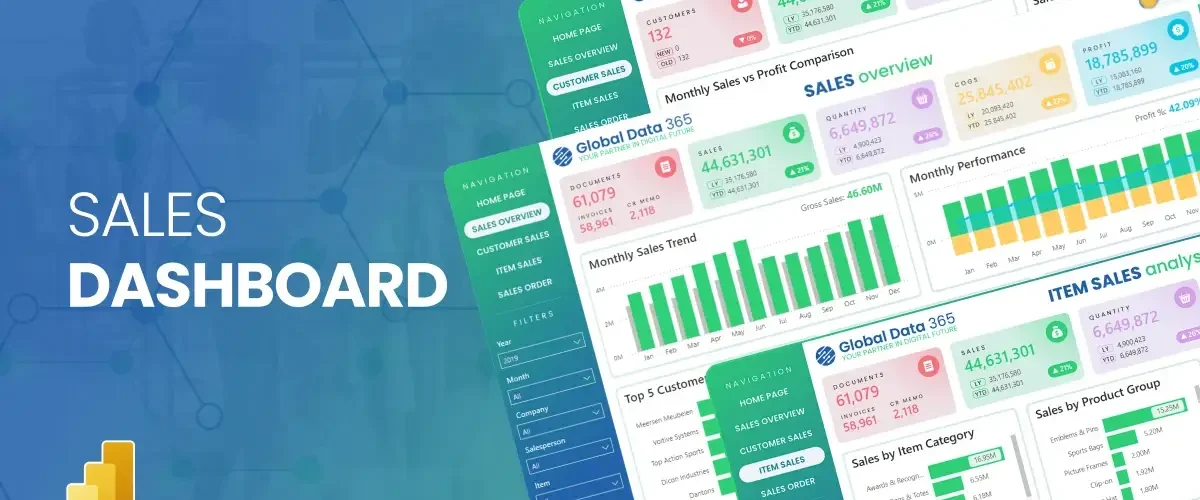
A sales reporting dashboard is a visual tool that shows important sales data in an easy-to-understand format using charts, graphs, and tables
Simple Meaning
In simple words, a sales reporting dashboard brings all your sales information into one place so you can quickly see how your business is performing
What It Shows
A sales reporting dashboard usually displays key information such as:
- Total sales revenue
- Sales targets and progress
- Conversion rates
- Team and individual performance
- Customer activity
- Sales trends over time
Purpose of a Sales Reporting Dashboard
The main purpose is to help businesses track performance, identify trends, and make faster and better decisions using real-time data
How It Works
It collects data from different sources like CRM systems, sales tools, and reports, then converts it into visual dashboards for easy understanding
Difference Between Reports and Dashboards
Traditional reports are long and detailed, while dashboards are visual, quick, and easy to understand at a glance
Useful for All Businesses
Whether a small business or a large company, a sales reporting dashboard helps improve visibility, efficiency, and decision-making
Overall, a sales reporting dashboard is a powerful tool that simplifies sales data and helps businesses improve performance and growth in 2026
Why Sales Reporting Dashboard Is Important
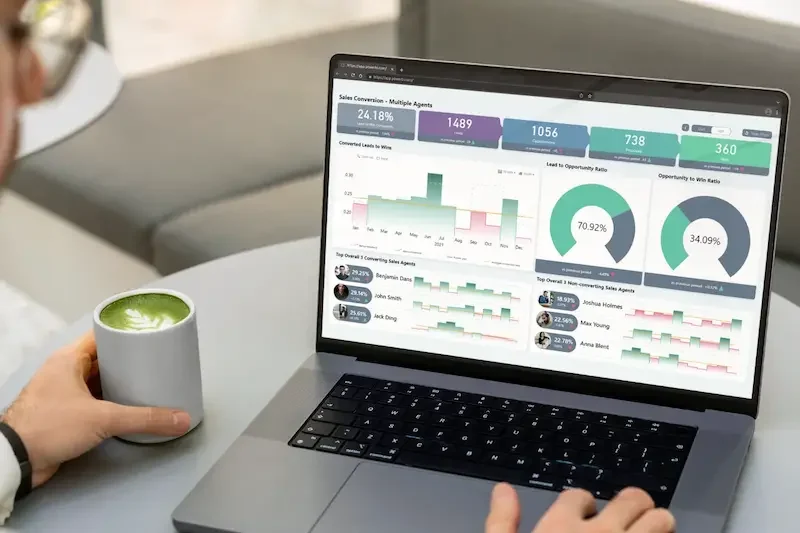
A sales reporting dashboard is important because it helps businesses quickly understand their sales performance, track goals, and make better decisions using clear and real-time data
Improves Decision Making
A sales dashboard provides accurate and updated information that helps businesses make faster and smarter decisions
Saves Time
Instead of checking multiple reports and spreadsheets, all important sales data is available in one simple view
Tracks Sales Performance
Businesses can easily monitor team performance, sales progress, and overall business results in real time
Identifies Trends and Patterns
It helps identify sales trends, customer behavior, and seasonal patterns that can improve future planning
Improves Productivity
Sales teams can focus more on achieving targets instead of spending time on manual reporting
Helps Achieve Sales Goals
Dashboards make it easy to track progress toward sales targets and KPIs
Increases Transparency
Everyone in the team can clearly see performance data, which improves accountability and trust
Improves Forecasting
Businesses can predict future sales trends and revenue more accurately using historical data
Reduces Errors
Automated dashboards reduce human errors that often happen in manual reporting
Supports Business Growth
By providing clear insights, sales dashboards help businesses improve strategies and grow faster in 2026
you may also like to read these posts;
AI Business Automation Tips for Faster Growth 2026
Marketing Automation Guide 2026 Boost Sales Fast
Small Business Automation Guide for 2026 Growth & Success
How to Automate Business Tasks in 2026
Workflow Automation Software Guide for 2026
Best Tools for Sales Reporting Dashboard in 2026
Choosing the right tools for a sales reporting dashboard is important for tracking performance, visualizing data, and making smarter business decisions. In 2026, many advanced tools offer real-time dashboards, automation, and AI-powered insights
Microsoft Power BI
Microsoft Power BI is a powerful business intelligence tool that creates interactive dashboards, real-time reports, and detailed sales performance visuals
Tableau
Tableau Tableau is widely used for turning complex sales data into simple and interactive charts, graphs, and dashboards
Salesforce
Salesforce Salesforce offers advanced sales reporting dashboards with CRM integration, forecasting, and real-time analytics
HubSpot
HubSpot HubSpot provides user-friendly dashboards for tracking sales performance, pipelines, and customer activity
Zoho Analytics
Zoho Zoho Analytics offers affordable dashboard solutions with strong reporting, visualization, and data analysis features for businesses of all sizes
Google Looker Studio
Google Google Looker Studio helps businesses create customizable and easy-to-use dashboards using data from multiple sources
Pipedrive
Pipedrive Pipedrive focuses on pipeline tracking and visual dashboards to help sales teams monitor deals and performance easily
Freshsales
Freshworks Freshsales provides AI-powered dashboards, lead tracking, and sales performance insights in real time
SAP Sales Cloud
SAP SAP Sales Cloud is designed for large enterprises to manage complex sales data with advanced reporting and dashboards
InsightSquared
InsightSquared InsightSquared offers revenue intelligence dashboards and advanced sales forecasting tools for data-driven decision making
These tools help businesses visualize sales data, track performance, and improve decision-making for better growth in 2026
How to Use a Sales Reporting Dashboard Effectively
Using a sales reporting dashboard effectively helps businesses track performance, understand data clearly, and make better decisions. When used properly, it can improve sales results and overall efficiency
Set Clear Business Goals
Start by defining what you want to achieve such as increasing revenue, improving conversions, or tracking team performance
Focus on Key Metrics (KPIs)
Only track important KPIs like sales revenue, conversion rate, customer retention, and sales growth to avoid confusion
Use Real-Time Data
Always rely on updated data so you can make quick and accurate business decisions
Customize Your Dashboard
Adjust charts, reports, and visuals based on your business needs so the dashboard shows only relevant information
Monitor Performance Regularly
Check your dashboard daily, weekly, or monthly to stay updated on sales progress and trends
Compare Data Over Time
Compare current performance with past data to identify growth patterns and performance changes
Segment Your Data
Break data into categories like products, customers, regions, or sales teams for deeper insights
Take Action on Insights
Do not just view data—use insights to improve strategies, fix problems, and increase sales performance
Share Reports with Teams
Share dashboard insights with sales and management teams to improve communication and alignment
Keep Data Clean and Updated
Make sure all data sources are accurate and regularly updated to avoid wrong decisions
By using a sales reporting dashboard effectively, businesses can improve decision-making, increase productivity, and achieve better sales growth in 2026
Who Should Use Sales Reporting Dashboards
A sales reporting dashboard is useful for anyone who wants to track sales performance, understand business data, and make better decisions. It is not limited to large companies—small businesses and individuals can also benefit from it
Small Businesses
Small businesses can use dashboards to track daily sales, monitor growth, and understand which products or services are performing best
Startups
Startups need clear and quick insights to grow faster. A sales dashboard helps them track performance, set goals, and make smart decisions early
Sales Teams
Sales teams use dashboards to monitor their targets, track leads, and improve their overall performance
Sales Managers
Managers rely on dashboards to evaluate team performance, identify top performers, and improve weak areas through better planning
E-commerce Businesses
Online stores use sales reporting dashboards to track product sales, customer behavior, and revenue trends in real time
Marketing Teams
Marketing teams use dashboards to measure campaign success, track conversions, and understand customer engagement
Large Enterprises
Big companies use advanced dashboards to manage large amounts of sales data across different teams, regions, and departments
Freelancers and Consultants
Independent professionals can use dashboards to track income, client performance, and business growth
Service-Based Businesses
Agencies, IT companies, and service providers use dashboards to monitor client projects, sales pipelines, and revenue
Retail Businesses
Retailers use dashboards to track in-store and online sales, manage inventory, and improve customer experience
Overall, sales reporting dashboards are essential for any business or professional who wants better visibility, improved performance, and stronger decision-making in 2026
Benefits of Sales Reporting Dashboard
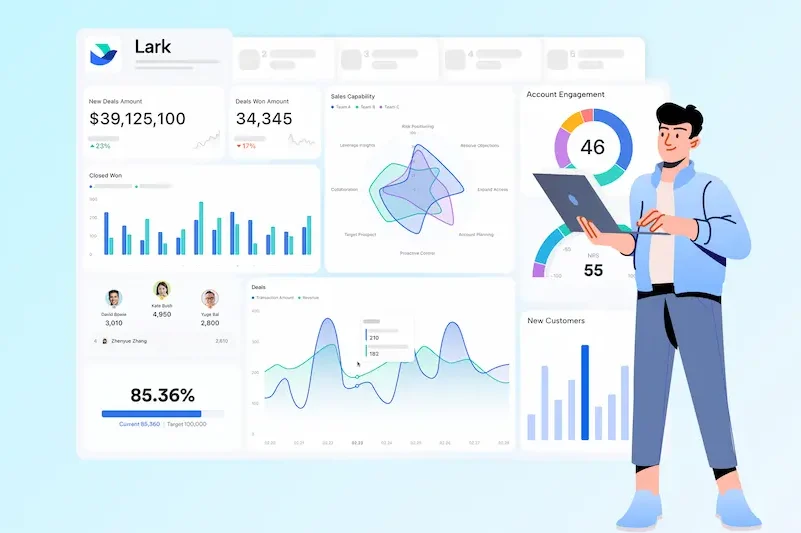
A sales reporting dashboard provides many advantages that help businesses track performance, understand data quickly, and make smarter decisions. It simplifies complex sales information into easy visuals for better results
Better Decision Making
Sales dashboards provide real-time insights that help businesses make fast and accurate decisions based on actual data
Saves Time and Effort
Instead of checking multiple reports, all important sales data is available in one place, saving time and reducing manual work
Improves Sales Performance
Businesses can track performance trends and identify areas that need improvement to boost overall sales
Real-Time Data Access
Dashboards provide updated information instantly, helping businesses react quickly to changes in sales performance
Better Goal Tracking
It becomes easier to monitor sales targets, KPIs, and progress toward business goals
Increases Productivity
Sales teams can focus on high-priority tasks instead of spending time on manual reporting and data collection
Improves Accuracy
Automated dashboards reduce human errors and provide more reliable data for decision-making
Better Team Communication
Everyone in the organization can access the same data, improving transparency and collaboration
Helps Identify Trends
Businesses can easily spot patterns in customer behavior, product performance, and sales growth
Supports Business Growt
With better insights and planning, companies can improve strategies and achieve long-term success in 2026
What is a sales reporting dashboard
A sales reporting dashboard is a visual tool that displays sales data using charts, graphs, and reports to help businesses track performance easily
Why is a sales reporting dashboard important
It is important because it helps businesses make better decisions, save time, track sales performance, and improve productivity
Who can use sales reporting dashboards
Small businesses, startups, sales teams, managers, e-commerce stores, and large enterprises can all use sales dashboards
Conclusion
A sales reporting dashboard is an essential tool for modern businesses that want to track performance, understand sales data, and make smarter decisions
It simplifies complex information into clear visuals, helping teams monitor KPIs, identify trends, and improve overall efficiency
By using a sales dashboard regularly, businesses can save time, increase productivity, improve decision-making, and achieve better sales results
In 2026, companies that use sales reporting dashboards effectively will have a strong advantage in growth, performance, and long-term success