
In today’s competitive business market, tracking sales performance is essential for achieving growth and long-term success. Businesses that do not monitor their sales activities often struggle to identify problems, improve strategies, and reach their targets
This is where sales performance tracking becomes important. It helps companies measure sales results, monitor employee productivity, and understand customer behavior using real-time data and reports
By tracking sales performance regularly, businesses can identify strengths, improve weak areas, and make smarter decisions that increase revenue and efficiency
In this article, you will learn what sales performance tracking is, why it is important, key metrics to monitor, and how businesses can use it effectively to achieve better results in 2026
What Is Sales Performance Tracking?
Sales performance tracking is the process of monitoring and analyzing sales activities, results, and team performance to measure business success and improve future strategies
Simple Meaning
In simple words, sales performance tracking means checking how well a business or sales team is performing based on sales goals, revenue, and customer results
What It Includes
Sales performance tracking usually involves monitoring:
- Sales revenue
- Conversion rates
- Sales targets and quotas
- Customer interactions
- Team productivity
- Customer retention
Purpose of Sales Performance Tracking
The main purpose is to identify what is working well and what needs improvement in the sales process
Data-Driven Decision Making
Businesses use real-time data, reports, and dashboards to make smarter sales decisions and improve strategies
Helps Improve Team Performance
Tracking performance allows managers to evaluate employees, provide feedback, and improve sales productivity
Supports Business Growth
By understanding sales trends and customer behavior, businesses can increase revenue and grow more effectively
Important for All Businesses
Whether a small startup or a large company, sales performance tracking helps businesses stay organized and competitive
Overall, sales performance tracking is an essential process that helps businesses improve efficiency, increase sales, and achieve long-term success in 2026
you may also like to read these posts;
AI Business Automation Tips for Faster Growth 2026
Marketing Automation Guide 2026 Boost Sales Fast
Small Business Automation Guide for 2026 Growth & Success
How to Automate Business Tasks in 2026
Workflow Automation Software Guide for 2026
Why Sales Performance Tracking Is Important
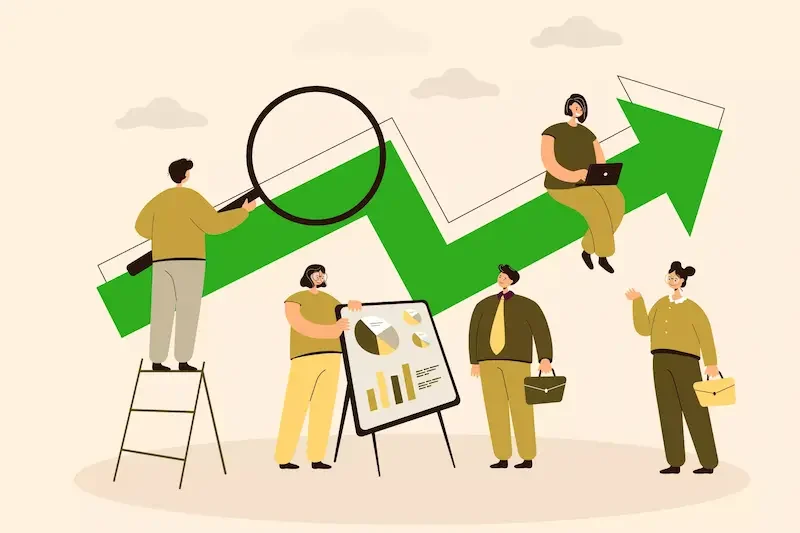
Sales performance tracking is important because it helps businesses understand how well their sales strategies, teams, and processes are performing. Without proper tracking, companies may struggle to identify problems, measure progress, or achieve sales goals
Improves Decision Making
Sales performance tracking provides accurate data and insights that help businesses make smarter and more informed decisions
Increases Revenue
By identifying successful sales strategies and opportunities, businesses can improve sales results and increase profits
Measures Team Productivity
Managers can monitor employee performance, identify strengths, and provide support where improvement is needed
Helps Achieve Sales Goals
Tracking progress against sales targets and KPIs helps businesses stay focused and achieve objectives more effectively
Identifies Problems Quickly
Businesses can detect issues such as low conversion rates or declining sales early and take corrective action faster
Improves Customer Understanding
Sales data helps businesses understand customer behavior, preferences, and buying patterns for better targeting and service
Supports Better Forecasting
Tracking historical sales data makes it easier to predict future sales trends and customer demand
Encourages Accountability
Sales teams become more responsible and motivated when their performance is measured regularly
Improves Business Efficiency
Businesses can focus on high-performing strategies and reduce wasted time and resources
Supports Long-Term Growth
Regular sales tracking helps businesses stay competitive, improve performance, and achieve sustainable growth
Overall, sales performance tracking is essential for improving efficiency, increasing sales, and helping businesses succeed in 2026
Key Metrics for Sales Performance Tracking
Tracking the right metrics is essential for measuring sales success and improving business performance. These sales performance metrics help businesses understand what is working well and where improvements are needed
Revenue Growth
Revenue growth measures how much sales income increases over a specific period. It helps businesses understand overall financial performance and business growth
Conversion Rate
Conversion rate tracks how many leads or prospects become paying customers. A higher conversion rate usually means the sales process is effective
Sales Target Achievement
This metric measures how well sales teams meet their goals, quotas, and targets within a certain timeframe
Customer Retention Rate
Customer retention rate shows how successfully a business keeps existing customers over time. Strong retention often leads to higher long-term revenue
Average Deal Size
Average deal size measures the average value of completed sales. It helps businesses understand the quality and profitability of sales opportunities
Sales Cycle Length
Sales cycle length tracks how long it takes to close a deal from the first customer interaction to the final sale
Lead Response Time
This metric measures how quickly sales teams respond to new leads or customer inquiries. Faster responses often improve conversion chances
Customer Acquisition Cost (CAC)
CAC calculates how much it costs to gain a new customer through sales and marketing efforts
Win Rate
Win rate measures the percentage of deals successfully closed compared to total opportunities
Customer Lifetime Value (CLV)
CLV estimates the total revenue a customer generates during their relationship with a business
Tracking these key metrics helps businesses improve sales strategies, increase productivity, and make better decisions for long-term success in 2026
How to Track Sales Performance Effectively
Tracking sales performance effectively helps businesses understand results, improve strategies, and achieve better sales outcomes. A structured approach ensures accurate data and better decision-making
Set Clear Sales Goals
Start by defining clear and realistic sales goals such as revenue targets, conversion rates, and monthly or quarterly quotas
Identify Key Performance Indicators (KPIs)
Choose the most important KPIs like revenue growth, conversion rate, sales cycle length, and customer retention to measure success
Use Sales Tracking Tools
Use tools like CRM systems, dashboards, and analytics software to collect and analyze sales data in real time
Monitor Performance Regularly
Track sales performance on a weekly, monthly, or quarterly basis to identify trends and fix issues early
Analyze Sales Data
Study sales reports and data to understand what strategies are working and where improvements are needed
Track Individual and Team Performance
Evaluate both team and individual performance to identify top performers and provide support where needed
Collect Customer Feedback
Use customer feedback to understand satisfaction levels and improve sales strategies and service quality
Create Performance Reports
Generate regular reports to summarize sales activities, results, and progress toward goals
Compare Results Over Time
Compare current performance with past results to measure growth and identify patterns
Take Action Based on Insights
Use the collected data to improve strategies, train teams, and make better business decisions
By following these steps, businesses can track sales performance more effectively, improve efficiency, and increase revenue in 2026
Best Tools for Sales Performance Tracking in 2026
Choosing the right tools for sales performance tracking is very important for improving sales results, monitoring KPIs, and making data-driven decisions. In 2026, businesses are using advanced CRM, analytics, and AI-powered platforms to track performance in real time and improve efficiency
Salesforce Sales Cloud
Salesforce is one of the most powerful tools for sales performance tracking. It offers advanced dashboards, AI forecasting, pipeline tracking, and detailed performance reports that help large businesses manage sales effectively
HubSpot Sales Hub
HubSpot provides an easy-to-use platform with real-time dashboards, sales tracking, and automation features. It is ideal for small and medium businesses looking for simple but powerful performance tracking tools
Zoho CRM
Zoho offers affordable sales tracking features including pipeline monitoring, KPI tracking, and reporting tools. It is widely used by startups and growing businesses
Microsoft Power BI
Microsoft Power BI is a strong business intelligence tool that helps companies analyze sales data using interactive dashboards, charts, and reports. It is great for deep data analysis and forecasting
Pipedrive
Pipedrive focuses on simple and visual pipeline tracking. It helps sales teams monitor deals, track progress, and improve conversion rates with easy-to-understand dashboards
Freshsales
Freshworks Freshsales provides AI-powered insights, lead tracking, and sales reporting tools that help businesses improve productivity and performance tracking
Tableau
Tableau is a powerful data visualization tool that helps businesses turn complex sales data into simple charts, graphs, and insights for better decision-making
Sales performance tracking tools help businesses monitor sales activities, improve team performance, and increase revenue. Whether you are a small business or a large enterprise, using the right tool in 2026 can greatly improve efficiency, accuracy, and business growth
Who Should Use Sales Performance Tracking
Sales performance tracking is useful for any business or professional who wants to improve sales results, monitor progress, and make better data-driven decisions. It is not limited to large companies, even small teams can benefit from it
Small Businesses
Small businesses can use sales performance tracking to understand what products or services are performing well and improve their sales strategies for growth
Startups
Startups need clear insights into sales performance to scale quickly. Tracking helps them identify opportunities, reduce risks, and make smart decisions in early stages
Sales Teams
Sales teams use performance tracking to monitor their daily activities, improve productivity, and achieve their sales targets more effectively
Sales Managers
Managers rely on sales tracking to evaluate team performance, identify top performers, and provide training or support where needed
E-commerce Businesses
Online stores use sales performance tracking to monitor product sales, customer behavior, conversion rates, and revenue trends
Marketing Teams
Marketing teams use sales data to understand which campaigns are generating the most leads and improving overall sales performance
Large Enterprises
Big companies use advanced tracking systems to manage large sales teams, multiple regions, and complex sales processes efficiently
Freelancers and Consultants
Even individuals offering services can track their sales performance to understand client acquisition, income growth, and business success
Retail Businesses
Retailers use sales tracking to monitor in-store and online sales, manage inventory, and improve customer experience
Service-Based Businesses
Service providers like agencies, IT companies, and consulting firms use tracking to measure project sales, client conversions, and revenue growth
Overall, sales performance tracking is essential for anyone who wants to improve sales efficiency, increase revenue, and achieve consistent business growth in 2026
What is sales performance tracking
Sales performance tracking is the process of monitoring and analyzing sales activities, results, and team performance to improve business growth
Why is sales performance tracking important
It is important because it helps businesses improve sales, increase revenue, track goals, and make better decisions using real data
Who should use sales performance tracking
Small businesses, startups, sales teams, managers, e-commerce stores, and large enterprises can all benefit from sales performance tracking
Conclusion
Sales performance tracking is an essential process for every business that wants to improve efficiency, increase revenue, and achieve long-term success
By monitoring key metrics, using the right tools, and analyzing real-time data, businesses can understand their sales performance more clearly and make smarter decisions
It also helps teams stay focused, improve productivity, and identify areas that need improvement before they become major issues
In 2026, companies that consistently track sales performance will have a strong advantage in the market, better customer understanding, and faster business growth