
In today’s digital business world, data plays a key role in improving sales performance and making smart decisions. Businesses that understand their sales data can easily identify what is working, what is not, and how to improve results
This is where sales data analysis becomes very important. It helps companies collect, organize, and study sales information to gain useful insights about customers, products, and overall performance how to analyze sales data
By analyzing sales data properly, businesses can increase revenue, improve customer satisfaction, and make better strategic decisions
In this article, you will learn what sales data analysis is, why it is important, and how to analyze sales data effectively step by step in 2026
What Is Sales Data Analysis?
Sales data analysis is the process of collecting, organizing, and studying sales information to understand business performance and improve decision-making
Simple Meaning
In simple words, sales data analysis means looking at sales numbers and turning them into useful insights that help a business grow
What It Includes
Sales data analysis involves studying important information such as:
- Total sales revenue
- Customer behavior and buying patterns
- Product performance
- Sales team performance how to analyze sales data
- Conversion rates
- Sales trends over time
Purpose of Sales Data Analysis
The main purpose is to understand what is driving sales and what is stopping growth so businesses can improve their strategies
How It Helps Businesses
It helps companies make better decisions, increase revenue, improve customer targeting, and optimize sales processes how to analyze sales data
Data-Driven Approach
Instead of guessing, businesses use real data and reports to guide their sales strategies and future planning
Useful for All Business Sizes
Whether a small business or a large enterprise, sales data analysis helps improve performance and achieve growth
Overall, sales data analysis is a powerful process that turns raw sales information into meaningful insights that support smarter business decisions in 2026 how to analyze sales data
you may also like to read these posts;
AI Business Automation Tips for Faster Growth 2026
Marketing Automation Guide 2026 Boost Sales Fast
Small Business Automation Guide for 2026 Growth & Success
How to Automate Business Tasks in 2026
Workflow Automation Software Guide for 2026
Why Sales Data Analysis Is Important
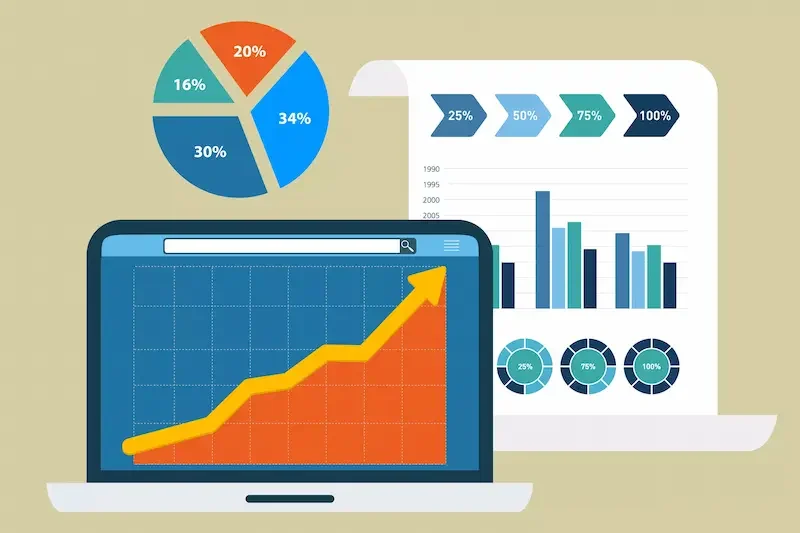
Sales data analysis is important because it helps businesses understand their performance, customer behavior, and sales trends using real information instead of guesswork. It allows companies to make smarter decisions and improve overall growth
Improves Decision Making
Sales data analysis provides clear insights that help businesses make better and more accurate decisions how to analyze sales data
Increases Revenue
By identifying successful products, strategies, and customer segments, businesses can improve sales and increase profits
Understands Customer Behavior
It helps businesses learn what customers want, how they buy, and what influences their decisions how to analyze sales data
Tracks Business Performance
Companies can monitor sales growth, team performance, and product success more effectively how to analyze sales data
Improves Sales Strategies
Data analysis helps businesses refine their marketing and sales strategies for better results
Better Forecasting
It allows businesses to predict future sales trends and plan ahead with confidence how to analyze sales data
Identifies Problems Early
Sales data helps detect issues like declining sales, low conversion rates, or weak products before they become serious
Improves Efficiency
Businesses can focus on high-performing areas and reduce time spent on less effective activities
Enhances Customer Targeting
Better data insights help businesses target the right audience with the right products how to analyze sales data
Supports Long-Term Growth
Regular sales data analysis helps businesses stay competitive and achieve sustainable success in 2026 how to analyze sales data
Types of Sales Data to Analyze
To understand business performance clearly, it is important to analyze different types of sales data. Each type gives unique insights that help improve sales strategies and decision-making
Revenue Data
Revenue data shows the total income generated from sales. It helps businesses understand overall financial performance and growth over time
Customer Data
Customer data includes information about buyer behavior, preferences, location, and purchasing patterns. It helps businesses understand their target audience better how to analyze sales data
Product Data
Product data shows how different products or services are performing. It helps identify best-selling items and products that need improvement
Sales Team Data
This data tracks the performance of sales employees. It includes individual sales numbers, conversion rates, and productivity levels
Conversion Data
Conversion data measures how many leads turn into paying customers. It helps evaluate the effectiveness of the sales process
Lead Data
Lead data shows information about potential customers, including where they come from and how likely they are to make a purchase how to analyze sales data
Customer Retention Data
This data tracks how many customers continue buying from the business over time. It helps measure customer loyalty and satisfaction
Sales Channel Data
Sales channel data shows which platforms generate the most sales, such as online stores, social media, or direct sales
Pricing Data
Pricing data helps analyze how pricing strategies affect sales performance and customer demand how to analyze sales data
Geographic Data
Geographic data shows where sales are coming from, helping businesses identify strong and weak markets
Analyzing these types of sales data helps businesses gain deeper insights, improve strategies, and increase overall sales performance in 2026
How to Analyze Sales Data Step-by-Step
Analyzing sales data step by step helps businesses understand performance clearly, find useful insights, and make better decisions for growth how to analyze sales data
Step 1: Collect Sales Data
Start by gathering all sales information from reliable sources such as CRM systems, sales reports, invoices, and marketing tools
Step 2: Clean and Organize Data
Remove errors, duplicates, and missing information. Organize data in a structured format so it is easy to analyze
Step 3: Choose the Right Tools
Use sales analytics tools or software like dashboards and reporting systems to process and visualize data more effectively
Step 4: Define Key Metrics
Select important KPIs such as revenue, conversion rate, sales growth, customer retention, and average deal size how to analyze sales data
Step 5: Identify Trends and Patterns
Look for patterns in sales performance, such as peak seasons, high-performing products, and customer buying behavior
Step 6: Segment Your Data
Break data into groups such as customer type, location, product category, or sales channel for deeper insights
Step 7: Compare Performance Over Time
Compare current data with past weeks, months, or years to measure growth and performance changes
Step 8: Create Visual Reports
Use charts, graphs, and dashboards to make complex data easier to understand and interpret
Step 9: Draw Insights
Analyze the results to understand what is working well and what needs improvement in your sales strategy
Step 10: Take Action
Use insights to improve marketing strategies, optimize sales processes, and increase overall revenue how to analyze sales data
By following these steps, businesses can effectively analyze sales data, make smarter decisions, and achieve better results in 2026
Best Tools for Sales Data Analysis in 2026
Using the right tools for sales data analysis helps businesses understand performance, track trends, and make smarter decisions. In 2026, many advanced tools offer automation, real-time dashboards, and AI-powered insights how to analyze sales data
Microsoft Power BI
Microsoft Power BI is a powerful business intelligence tool that helps businesses analyze sales data using interactive dashboards, charts, and real-time reports
Tableau
Tableau Tableau is widely used for turning complex sales data into easy-to-understand visual reports and dashboards
Salesforce
Salesforce Salesforce offers advanced sales analytics, CRM integration, forecasting, and performance tracking features
HubSpot
HubSpot HubSpot provides simple and user-friendly sales analytics tools that help businesses track performance and customer behavior
Zoho Analytics
Zoho Zoho Analytics offers affordable and flexible reporting tools for small and medium-sized businesses with strong data visualization features
Google Looker Studio
Google Looker Studio helps businesses create custom dashboards and reports using data from multiple sources
Pipedrive
Pipedrive Pipedrive focuses on pipeline tracking and sales performance analysis to help teams close more deals
Freshsales
Freshworks Freshsales provides AI-powered insights, lead tracking, and detailed sales reporting features
SAP Sales Cloud
SAP SAP Sales Cloud is designed for large enterprises to manage and analyze complex sales data efficiently
InsightSquared
InsightSquared InsightSquared specializes in revenue analytics, forecasting, and advanced sales reporting
These tools help businesses analyze sales data effectively, improve performance, and make data-driven decisions for growth in 2026
Benefits of Sales Data Analysis

Sales data analysis helps businesses understand their performance and make smarter decisions using real information. It improves sales strategies, increases revenue, and supports long-term growth
Better Decision Making
Sales data analysis provides accurate insights that help businesses make informed and confident decisions instead of guessing
Increased Revenue
By identifying successful products, strategies, and customer segments, businesses can improve sales and boost profits
Improved Customer Understanding
It helps businesses learn customer preferences, behavior, and buying patterns for better targeting and service
Stronger Sales Strategies
Data insights allow businesses to improve marketing and sales strategies for better results
Accurate Sales Forecasting
Sales data analysis helps predict future trends, demand, and revenue, making planning easier
Improved Efficiency
Businesses can focus on high-performing areas and reduce wasted time and resources
Faster Problem Detection
It helps identify issues like declining sales or low conversion rates early so action can be taken quickly
Better Performance Tracking
Businesses can monitor sales team performance and improve productivity through clear insights
Enhanced Customer Experience
Understanding customer needs helps businesses provide better service and build stronger relationships
Supports Business Growth
With better insights and planning, businesses can grow faster and stay competitive in 2026
What is sales data analysis
Sales data analysis is the process of collecting, studying, and interpreting sales data to improve business decisions and performance
Why is sales data analysis important
It helps businesses increase revenue, understand customers, improve strategies, and make data-driven decisions
What tools are used for sales data analysis
Common tools include Microsoft Power BI, Tableau, Salesforce, HubSpot, Zoho Analytics, and Google Looker Studio
Conclusion
Sales data analysis is a powerful process that helps businesses understand performance, customer behavior, and market trends using real information
By analyzing the right data, companies can make smarter decisions, improve sales strategies, increase revenue, and reduce business risks
It also helps businesses identify opportunities, solve problems quickly, and improve overall efficiency
In 2026, businesses that focus on effective sales data analysis will have a strong advantage in growth, customer understanding, and long-term success