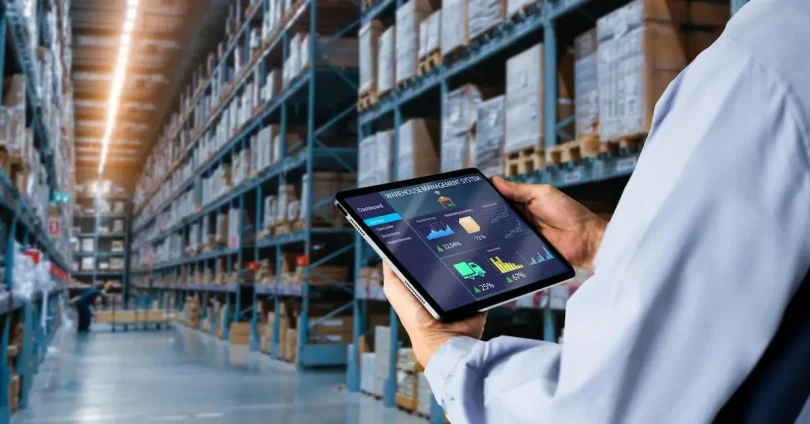

In today’s fast-paced business world, managing inventory efficiently is very important for smooth operations and customer satisfaction. Businesses must ensure that products are always available when customers need them while avoiding excess stock and unnecessary storage costs
This is where an inventory supply chain system becomes essential. It helps businesses track inventory, manage stock levels, monitor product movement, and improve overall supply chain efficiency
An effective inventory supply chain system reduces operational costs, improves order accuracy, speeds up deliveries, and supports better business decision-making
As customer expectations continue to increase in 2026, businesses need modern inventory systems to stay competitive, improve productivity, and achieve long-term growth
In this article, you will learn what an inventory supply chain system is, how it works, its key components, benefits, common challenges, and best practices for modern businesses
What Is an Inventory Supply Chain System?
An inventory supply chain system is a complete process or software solution used to manage, track, and control inventory across the entire supply chain from suppliers to warehouses and final customers
It helps businesses monitor stock levels, track product movement, manage orders, and ensure products are available at the right time and place
Simple Meaning
In simple words, an inventory supply chain system helps businesses organize inventory efficiently so products can move smoothly through the supply chain without delays, shortages, or excess stock
Main Goal of the System
The main goal is to improve inventory accuracy, reduce waste, lower operational costs, speed up deliveries, and improve overall business efficiency
How It Works
The system manages inventory throughout every stage of the supply chain including:
- Purchasing products from suppliers
- Receiving inventory into warehouses
- Tracking stock levels in real time
- Managing product storage
- Processing customer orders
- Shipping and delivery
- Handling returns and restocking
Key Features of an Inventory Supply Chain System
Modern inventory systems include many useful features such as:
- Real-time inventory tracking
- Automated stock updates
- Barcode and RFID scanning
- Warehouse management
- Order management
- Demand forecasting
- Reporting and analytics
- Shipment tracking
- Supplier coordination
Why Businesses Need Inventory Supply Chain Systems
Without proper inventory management businesses may face stock shortages, overstocking, delayed deliveries, and higher storage costs. An inventory supply chain system helps solve these problems and improves operational efficiency
Importance in Modern Business
As customer expectations continue to increase, businesses need fast and accurate inventory systems to ensure smooth order fulfillment and reliable delivery services
Helps Improve Inventory Accuracy
The system reduces manual errors and keeps inventory records updated automatically for better stock control
Supports Better Decision Making
Real-time data and analytics help businesses make smarter decisions related to purchasing, inventory planning, and logistics
Reduces Operational Costs
Efficient inventory management reduces waste, unnecessary purchases, storage expenses, and product losses
Improves Customer Satisfaction
Customers receive products faster and more accurately which improves trust and loyalty
Industries That Use Inventory Supply Chain Systems
These systems are widely used in:
- Ecommerce businesses
- Retail stores
- Manufacturing companies
- Healthcare organizations
- Food and beverage businesses
- Logistics and distribution companies
Types of Inventory Supply Chain Systems
Businesses may use different types of systems such as:
- Manual inventory systems
- Cloud-based inventory software
- Automated inventory management systems
- ERP inventory systems
- Warehouse management systems
Technology Used in Modern Systems
Modern inventory supply chain systems often use advanced technologies including:
- Artificial intelligence
- Cloud computing
- Automation
- RFID tracking
- Barcode scanners
- Real-time analytics
Benefits of Automation in Inventory Systems
Automation improves speed, reduces human errors, increases productivity, and provides real-time inventory visibility
Important for Business Growth
Efficient inventory supply chain systems help businesses scale operations, handle more orders, and manage larger inventories successfully
Overall, an inventory supply chain system is a powerful solution that helps businesses improve inventory control, reduce costs, optimize operations, and achieve long-term business success in 2026
you may also like to read these posts;
AI Business Automation Tips for Faster Growth 2026
Marketing Automation Guide 2026 Boost Sales Fast
Small Business Automation Guide for 2026 Growth & Success
How to Automate Business Tasks in 2026
Workflow Automation Software Guide for 2026
How an Inventory Supply Chain System Works
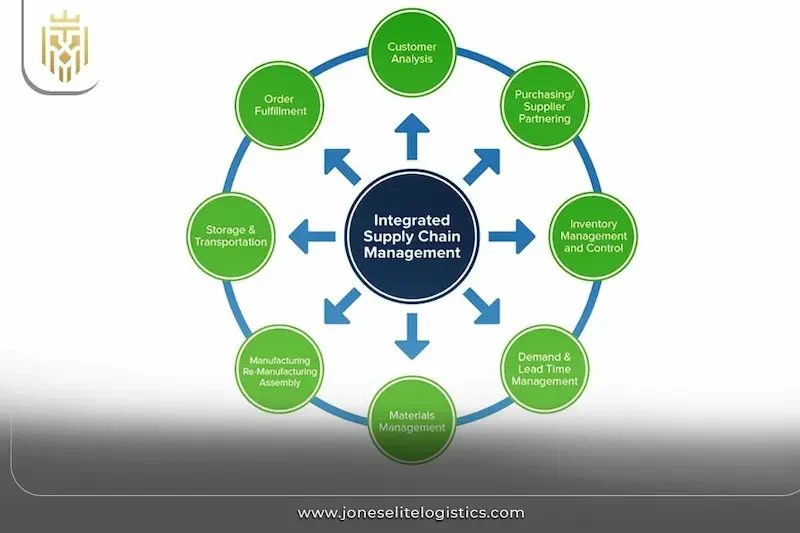
An inventory supply chain system works by tracking and managing inventory at every stage of the supply chain from suppliers to warehouses and final customers
The system helps businesses control stock levels, process orders efficiently, and ensure products move smoothly through the supply chain
1. Purchasing Inventory
The process starts when businesses purchase raw materials or products from suppliers based on customer demand and inventory needs
2. Receiving Inventory
Once products arrive from suppliers, the system records and updates inventory levels automatically using barcode scanners, RFID technology, or inventory software
3. Storing Products in Warehouses
Products are stored in warehouses or storage facilities where the system tracks their location and quantity for easy access and organization
4. Real-Time Inventory Tracking
The system continuously monitors stock levels and product movement in real time to ensure inventory records remain accurate
5. Managing Inventory Levels
Businesses use the system to maintain the right amount of stock and avoid shortages or overstocking
6. Processing Customer Orders
When customers place orders, the system automatically updates inventory levels and prepares products for shipping
7. Order Picking and Packing
Warehouse staff locate products, pack them properly, and prepare them for delivery using organized warehouse management processes
8. Shipping and Delivery
The system manages transportation, shipping schedules, and delivery tracking to ensure products reach customers on time
9. Handling Returns and Restocking
Returned products are inspected, updated in the inventory system, and restocked if they are suitable for resale
10. Reporting and Analytics
Modern systems generate reports and analytics that help businesses monitor inventory performance, forecast demand, and improve decision-making
Use of Automation and Technology
Many inventory supply chain systems use automation, artificial intelligence, barcode scanning, cloud software, and real-time tracking to improve efficiency and reduce errors
Continuous Monitoring and Improvement
Businesses regularly monitor inventory data and supply chain performance to identify problems and improve operations over time
Overall, an inventory supply chain system works as a complete inventory management process that helps businesses improve accuracy, reduce costs, speed up order fulfillment, and increase customer satisfaction in 2026
Key Components of an Inventory Supply Chain System
An inventory supply chain system includes several important components that work together to manage inventory efficiently and ensure smooth business operations
Inventory Tracking
Inventory tracking helps businesses monitor stock levels and product movement in real time. It ensures accurate inventory records and reduces stock errors
Warehouse Management
Warehouse management organizes product storage, improves space utilization, and speeds up picking, packing, and shipping processes
Order Management
Order management handles customer orders from placement to delivery and ensures orders are processed accurately and quickly
Supplier Management
Supplier management helps businesses communicate and coordinate with suppliers to maintain smooth inventory flow and timely deliveries
Demand Forecasting
Demand forecasting uses historical data and market trends to predict future customer demand and improve inventory planning
Transportation and Logistics
This component manages product movement, shipping schedules, delivery tracking, and transportation efficiency
Barcode and RFID Scanning
Barcode scanners and RFID technology help businesses track inventory automatically and reduce manual errors
Inventory Control
Inventory control helps maintain the right stock levels and prevents overstocking or inventory shortages
Real-Time Data and Analytics
Modern systems provide real-time inventory data and analytics to support better decision-making and operational improvements
Returns and Restocking Management
This component handles returned products, updates inventory records, and manages restocking efficiently
Reporting and Performance Monitoring
Businesses use reports and performance metrics to monitor inventory efficiency, order accuracy, and supply chain performance
Automation and Technology Integration
Automation tools help reduce manual tasks, improve accuracy, and increase productivity across inventory operations
Customer Order Fulfillment
Efficient order fulfillment ensures products are picked, packed, and delivered to customers quickly and accurately
Security and Data Management
Inventory systems protect business data, maintain accurate records, and improve system reliability and security
Cloud-Based Inventory Management
Cloud systems allow businesses to access inventory data remotely and improve communication across teams and locations
Together, these components help businesses improve inventory control, reduce operational costs, increase efficiency, and provide better customer service in 2026
Best Practices for Inventory Supply Chain Systems

Using the right inventory supply chain practices helps businesses improve efficiency, reduce costs, and manage inventory more accurately. These best practices can also improve customer satisfaction and overall business performance
Use Inventory Management Software
Modern inventory software helps businesses automate tracking, monitor stock levels in real time, and improve overall supply chain efficiency
Automate Inventory Processes
Automation reduces manual work, minimizes errors, and speeds up tasks such as stock updates, order processing, and inventory tracking
Monitor Inventory Regularly
Regular inventory checks help businesses maintain accurate stock levels and quickly identify shortages or overstocking issues
Improve Demand Forecasting
Use sales data, customer trends, and analytics to predict future demand and prepare inventory accordingly
Optimize Warehouse Organization
Organized warehouses improve storage efficiency and speed up picking, packing, and shipping operations
Maintain Accurate Inventory Records
Keep inventory data updated to avoid stock mismatches, order errors, and inventory confusion
Strengthen Supplier Relationships
Good communication with suppliers helps ensure reliable deliveries, better product quality, and smoother inventory flow
Use Real-Time Tracking Systems
Real-time inventory tracking improves visibility and helps businesses monitor products at every stage of the supply chain
Reduce Excess Inventory
Avoid overstocking by maintaining the right stock levels and ordering products based on demand forecasts
Improve Order Fulfillment Processes
Efficient order processing and shipping improve delivery speed and customer satisfaction
Track Key Performance Indicators (KPIs)
Monitor important metrics such as inventory turnover, order accuracy, delivery speed, and storage costs to measure performance
Implement Barcode and RFID Technology
Barcode scanners and RFID systems improve inventory accuracy and reduce manual tracking errors
Use Cloud-Based Inventory Systems
Cloud solutions provide remote access, real-time updates, and better communication between teams and locations
Focus on Customer Satisfaction
Fast delivery, accurate orders, and reliable service improve customer trust and loyalty
Train Employees Regularly
Well-trained employees can use inventory systems more effectively and reduce operational mistakes
Improve Supply Chain Communication
Strong coordination between suppliers, warehouses, logistics teams, and management improves workflow and reduces delays
Prepare for Supply Chain Disruptions
Create backup plans for supplier delays, transportation problems, or sudden demand changes to reduce risks
Analyze Inventory Data Frequently
Regular data analysis helps businesses identify trends, improve planning, and optimize inventory performance
Use Sustainable Inventory Practices
Reduce waste, optimize packaging, and improve transportation efficiency to support environmentally friendly operations
Continuously Improve Operations
Regularly review inventory processes and update strategies to improve efficiency and reduce operational costs over time
By following these best practices, businesses can improve inventory management, increase productivity, reduce costs, and achieve long-term success in 2026
What is an inventory supply chain system?
An inventory supply chain system is a process or software that helps businesses track, manage, and control inventory across the entire supply chain
Why is an inventory supply chain system important?
It is important because it improves inventory accuracy, reduces costs, prevents stock shortages, and ensures smooth order fulfillment
What are the main components of an inventory supply chain system?
Key components include inventory tracking, warehouse management, order management, supplier management, and demand forecasting
Conclusion
An inventory supply chain system is a vital part of modern business operations that helps companies manage stock efficiently, reduce costs, and improve overall productivity
By using automation, real-time tracking, and smart inventory planning, businesses can ensure smooth product flow from suppliers to customers without delays or errors
It also helps improve order accuracy, strengthen supplier relationships, and enhance customer satisfaction, which leads to better business growth
In 2026, businesses that use advanced inventory supply chain systems will have a strong competitive advantage and be better prepared for market changes and customer demands