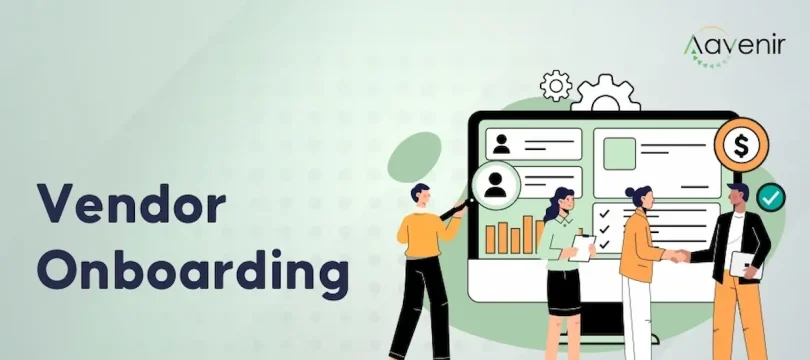

In every business, vendors play a key role in providing products, services, and essential resources needed for daily operations. However, before starting work with any vendor, it is important to follow a proper and structured onboarding process
The vendor onboarding process ensures that all vendor details are collected, verified, and organized from the beginning. Without a clear onboarding system, businesses may face problems such as delays, compliance issues, and poor communication
A well-planned onboarding process helps businesses reduce risks, improve efficiency, and build strong vendor relationships from the start
In this article, you will learn how the vendor onboarding process works, why it is important, and how it can help your business operate smoothly and successfully in 2026
What Is the Vendor Onboarding Process?
The vendor onboarding process is a step-by-step method used by businesses to register, verify, and approve new vendors before starting work with them. It ensures that all necessary information, documents, and agreements are properly collected and organized
Simple Meaning
In simple words, vendor onboarding means setting up a new vendor in your system so they can work with your business smoothly and professionally
What It Includes
The process usually involves:
- Collecting vendor details (company info, contact details)
- Verifying documents (licenses, tax information)
- Assessing risks and compliance
- Creating and signing contracts
- Adding the vendor to your system
Purpose of Vendor Onboarding
The main goal is to ensure that vendors are reliable, meet business requirements, and are ready to work according to company standards
Focus on Organization and Compliance
Vendor onboarding helps keep all vendor information organized and ensures that they follow legal and business rules
Builds a Strong Start
A proper onboarding process creates a smooth and professional beginning, which helps build strong and long-term vendor relationships
Important for All Businesses
Whether small or large, every business needs a structured onboarding process to avoid risks and improve efficiency
Overall, the vendor onboarding process is an essential step that helps businesses work with the right vendors in a safe, organized, and efficient way in 2026
Why Vendor Onboarding Is Important
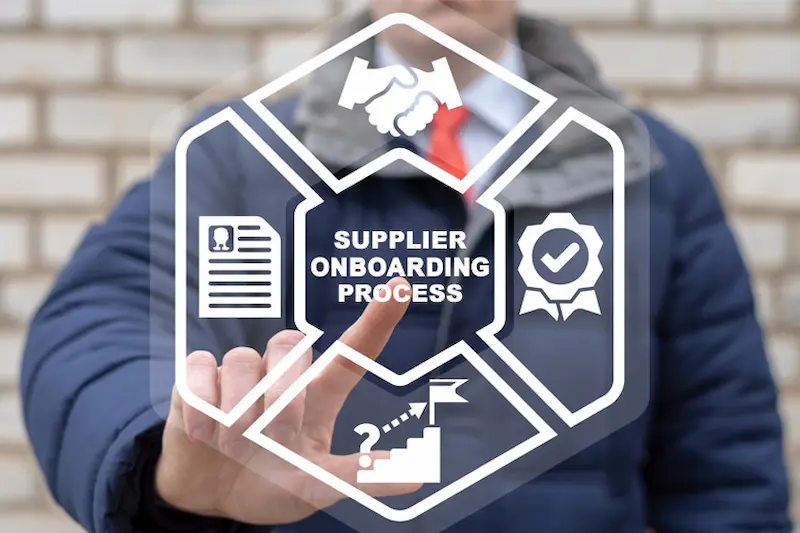
The vendor onboarding process is important because it helps businesses start working with vendors in a safe, organized, and efficient way. Without proper onboarding, companies may face risks, delays, and communication issues
Ensures Compliance
Vendor onboarding helps verify legal documents, tax details, and certifications. This ensures that vendors meet all business and regulatory requirements
Reduces Risks
By checking vendor information in advance, businesses can avoid risks such as fraud, poor quality, or unreliable service
Improves Communication
Onboarding sets clear expectations about roles, responsibilities, timelines, and standards, reducing confusion later
Saves Time and Effort
A structured process makes it easier to manage vendors quickly and avoids repeated work in the future
Builds Strong Vendor Relationships
A smooth onboarding experience creates a positive first impression and helps build trust between the business and vendor
Improves Efficiency
When vendors are properly set up, operations run smoothly without delays or errors
Better Data Management
All vendor information is stored in one place, making it easy to access and manage
Supports Business Growth
With reliable and verified vendors, businesses can scale operations more confidently
Overall, vendor onboarding is important because it ensures compliance, reduces risks, improves efficiency, and creates a strong foundation for long-term vendor partnerships in 2026
Steps in the Vendor Onboarding Process
A clear and structured vendor onboarding process helps businesses add new vendors smoothly and avoid future problems. Here are the key steps you should follow
1. Vendor Selection
Choose the right vendor based on quality, reliability, experience, and pricing. Make sure the vendor meets your business needs
2. Collect Vendor Information
Gather basic details such as company name, contact information, services offered, and business background
3. Document Collection and Verification
Request and verify important documents like business registration, tax details, licenses, and certifications to ensure authenticity
4. Risk Assessment
Evaluate potential risks related to vendor performance, compliance, financial stability, and delivery reliability
5. Contract Creation and Approval
Create a clear agreement that includes pricing, terms, responsibilities, and delivery timelines. Both parties should review and approve the contract
6. System Registration
Add the vendor’s details into your system or software for easy tracking and management
7. Share Guidelines and Training
Provide vendors with company policies, procedures, and expectations so they understand how to work with your business
8. Set Up Payment Details
Collect and verify payment information to ensure smooth and timely transactions
9. Start Collaboration
Begin working with the vendor and ensure everything runs according to the agreed terms
10. Monitor Performance
Track vendor performance regularly to ensure quality, timely delivery, and reliability
Following these steps helps businesses create a smooth onboarding experience, reduce risks, and build strong vendor relationships in 2026
you may also like to read these posts;
AI Business Automation Tips for Faster Growth 2026
Marketing Automation Guide 2026 Boost Sales Fast
Small Business Automation Guide for 2026 Growth & Success
How to Automate Business Tasks in 2026
Workflow Automation Software Guide for 2026
Key Features of a Good Vendor Onboarding Process
A well-designed vendor onboarding process should be simple, organized, and efficient. It helps businesses add vendors smoothly while reducing risks and improving communication
Clear and Simple Process
The onboarding steps should be easy to understand and follow. A simple process saves time and avoids confusion for both the business and vendors
Proper Documentation
A good onboarding system ensures all required documents like business registration, tax details, and certifications are collected and verified
Strong Communication
Clear communication helps vendors understand expectations, policies, and procedures from the beginning
Compliance and Verification
The process should include checks to ensure vendors meet legal, financial, and company requirements
Use of Digital Tools
Using software and automation tools makes onboarding faster, more accurate, and less dependent on manual work
Data Organization
All vendor information should be stored in one place for easy access and management
Risk Management
A strong onboarding process includes risk assessment to avoid unreliable or non-compliant vendors
Customizable Workflow
The process should be flexible so it can be adjusted based on different types of vendors or business needs
Transparency
Both the business and vendor should clearly understand terms, expectations, and responsibilities
Smooth User Experience
The onboarding process should be easy and user-friendly for vendors, creating a positive first impression
These key features help businesses create an effective vendor onboarding process that improves efficiency, ensures compliance, and builds strong vendor relationships in 2026
Benefits of Vendor Onboarding Process
A well-structured vendor onboarding process offers many advantages that help businesses operate smoothly and build strong vendor relationships
Better Organization
All vendor information is collected and stored properly, making it easy to access and manage
Improved Efficiency
A clear onboarding process saves time and allows businesses to start working with vendors quickly
Reduced Errors
Automation and proper steps reduce manual mistakes and missing information
Strong Vendor Relationships
A smooth onboarding experience creates a positive first impression and builds trust with vendors
Ensures Compliance
Verifying documents and details ensures vendors meet legal and company requirements
Reduces Risks
Early checks help avoid unreliable vendors, fraud, and performance issues
Faster Payments
Proper setup of payment details ensures smooth and timely transactions
Better Communication
Clear expectations from the start reduce misunderstandings and improve coordination
Improved Performance
When vendors understand requirements clearly, they perform better and deliver quality results
Supports Business Growth
Reliable and well-managed vendors help businesses scale and grow without disruptions
These benefits show how an effective vendor onboarding process helps businesses stay organized, reduce risks, and improve overall performance in 2026
Who Should Use Vendor Onboarding Process
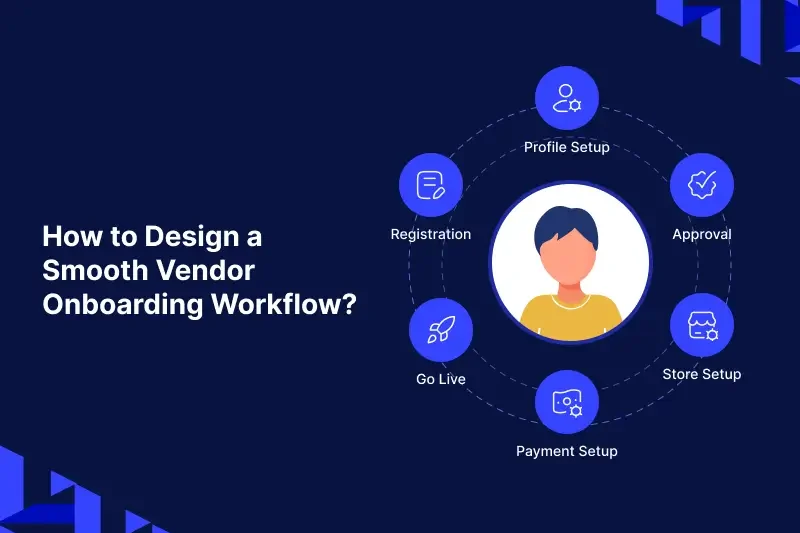
The vendor onboarding process is useful for any business or organization that works with suppliers, contractors, or service providers. It helps ensure that vendors are properly verified, organized, and ready to work efficiently
Small Businesses
Small businesses can use vendor onboarding to stay organized, reduce risks, and manage vendors more professionally from the start
Medium and Large Companies
Larger organizations often deal with many vendors, so onboarding helps standardize processes, improve efficiency, and maintain compliance
Procurement Teams
Procurement professionals use onboarding to verify vendors, collect documents, and ensure suppliers meet business requirements
Supply Chain Managers
Supply chain teams rely on onboarding to ensure smooth coordination and avoid delays in production or delivery
Finance and Accounting Teams
These teams use onboarding to collect payment details, verify tax information, and ensure accurate financial transactions
Manufacturing Companies
Manufacturers depend on reliable vendors for raw materials, so onboarding helps ensure quality and timely supply
E-commerce Businesses
Online businesses use onboarding to manage multiple suppliers and ensure fast and reliable delivery
Service-Based Companies
Companies in IT, marketing, consulting, and other services use onboarding to manage external vendors and freelancers
Startups
Startups benefit from onboarding by setting up proper vendor processes early, which supports future growth
Government and Large Institutions
Public sector organizations use vendor onboarding to ensure transparency, compliance, and accountability
Overall, any organization that works with vendors can benefit from a structured vendor onboarding process to improve efficiency, reduce risks, and build strong partnerships in 2026
What is the vendor onboarding process?
The vendor onboarding process is the method of collecting, verifying, and setting up new vendors so they can work with a business smoothly
Why is vendor onboarding important?
It helps ensure compliance, reduce risks, improve communication, and create a strong start with vendors
What documents are required for vendor onboarding?
Common documents include business registration, tax details, bank information, and certifications
Conclusion
The vendor onboarding process is a crucial step for any business that works with suppliers or service providers. It ensures that every vendor is properly verified, organized, and ready to meet business requirements
A well-structured onboarding process helps reduce risks, improve communication, and save time while building strong and reliable vendor relationships
By following clear steps such as vendor selection, document verification, and system setup, businesses can improve efficiency and avoid common problems
In 2026, companies that implement an effective vendor onboarding process will be more organized, secure, and successful in managing their supply chain and vendor partnerships