
In today’s competitive business environment, companies rely heavily on vendors to supply products, services, and essential resources. The success of any business often depends on how well it manages these vendor partnerships
However, simply working with vendors is not enough. Businesses need to build strong, long-term, and trust-based relationships to ensure smooth operations and consistent performance
This is where vendor relationship management becomes very important. It focuses on improving communication, building trust, and creating mutual benefits between businesses and their vendors
With effective vendor relationship management, companies can reduce risks, improve service quality, and achieve better business results
In this article, you will learn what vendor relationship management is, why it is important, and how it can help businesses grow successfully in 2026
What Is Vendor Relationship Management?
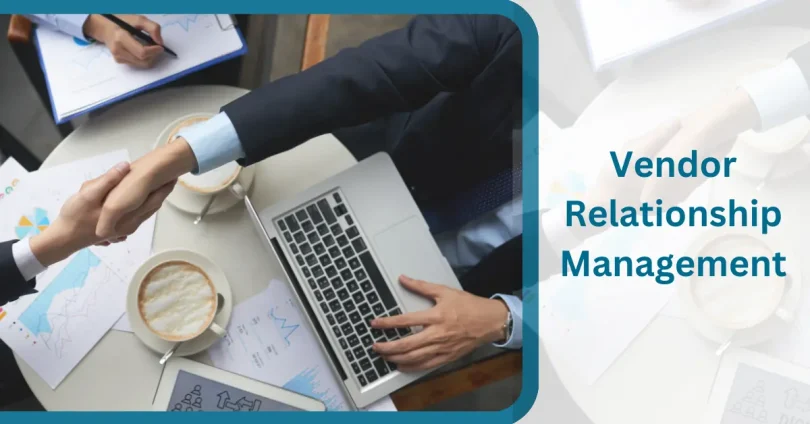
Vendor Relationship Management (VRM) is the process of building, maintaining, and improving strong relationships between a business and its vendors or suppliers. It focuses on creating long-term partnerships based on trust, communication, and mutual benefit
Simple Meaning
In simple words, vendor relationship management means working closely with vendors in a positive and organized way so both sides can grow and succeed together
Focus on Relationships, Not Just Transactions
Unlike basic vendor management, VRM is not only about buying and selling. It focuses on creating strong partnerships where both the business and vendor support each other for better results
How It Works
Vendor relationship management includes regular communication, performance tracking, feedback sharing, and problem-solving. This helps improve cooperation and reduce misunderstandings
Builds Long-Term Partnerships
The main goal of VRM is to develop long-lasting relationships with vendors that go beyond short-term contracts and pricing agreements
Improves Business Performance
When vendors are managed through strong relationships, they deliver better quality, faster service, and more reliable support
Important for All Businesses
Whether it is a small business or a large organization, vendor relationship management helps improve efficiency and build a stable supply chain
Overall, vendor relationship management is a strategic approach that helps businesses and vendors work together more effectively and achieve long-term success in 2026
you may also like to read these posts;
AI Business Automation Tips for Faster Growth 2026
Marketing Automation Guide 2026 Boost Sales Fast
Small Business Automation Guide for 2026 Growth & Success
How to Automate Business Tasks in 2026
Workflow Automation Software Guide for 2026
Why Vendor Relationship Management Is Important
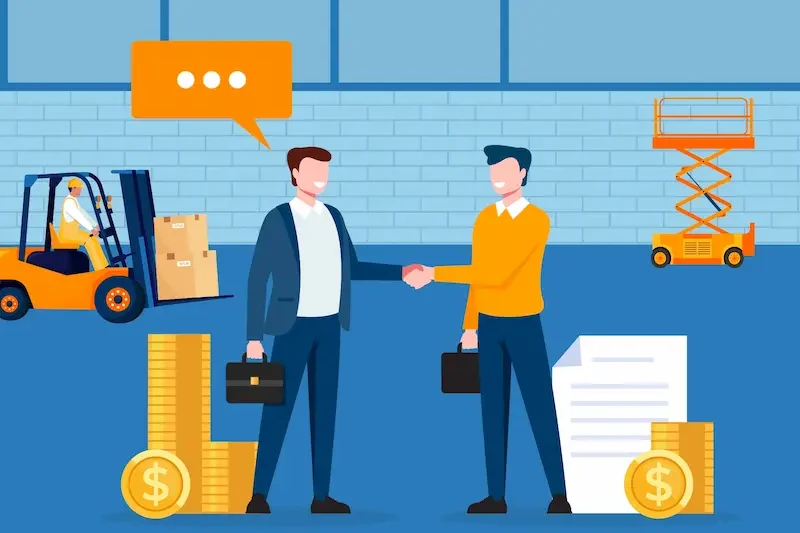
Vendor Relationship Management (VRM) is important because it helps businesses build strong, long-term partnerships with vendors, which directly improves performance, cost efficiency, and overall business success
Improves Communication
Good vendor relationships ensure clear and regular communication. This helps avoid misunderstandings and keeps both sides aligned on goals and expectations
Builds Trust and Reliability
Strong relationships create trust between businesses and vendors. Trusted vendors are more reliable and committed to delivering quality services on time
Enhances Service Quality
When vendors feel valued, they are more likely to provide better quality products and services, which improves customer satisfaction
Reduces Costs
Good relationships often lead to better pricing, discounts, and flexible payment terms, helping businesses save money
Increases Efficiency
Strong coordination with vendors helps reduce delays, improve workflows, and ensure smooth business operations
Faster Problem Resolution
When issues arise, strong relationships make it easier to solve problems quickly without affecting business performance
Strengthens Supply Chain Stability
Reliable vendor relationships help create a stable and consistent supply chain, reducing risks of shortages or disruptions
Supports Long-Term Growth
Vendor relationship management helps businesses grow by building dependable partnerships that support expansion and scalability
Overall, vendor relationship management is important because it improves communication, builds trust, reduces costs, and ensures long-term business success in 2026
Key Elements of Vendor Relationship Management
Vendor Relationship Management (VRM) is built on several important elements that help businesses create strong, long-term, and successful partnerships with vendors
Communication
Clear and regular communication is the foundation of VRM. It helps both businesses and vendors stay updated, avoid misunderstandings, and work smoothly together
Trust and Transparency
Trust is essential for strong relationships. When both parties are honest and transparent about expectations, pricing, and performance, it builds long-term cooperation
Collaboration
VRM focuses on working together as partners rather than separate entities. Collaboration helps improve problem-solving, innovation, and overall efficiency
Performance Monitoring
Tracking vendor performance is important to ensure quality, timely delivery, and reliability. It helps businesses identify strong and weak areas
Feedback and Improvement
Providing regular feedback helps vendors improve their services. Constructive feedback leads to better performance and stronger relationships
Mutual Benefits
A good vendor relationship should benefit both sides. When both business and vendor grow together, the partnership becomes stronger and more sustainable
Conflict Resolution
Disagreements may happen, but handling them quickly and professionally helps maintain a healthy relationship and avoid disruptions
Long-Term Focus
VRM is not just about short-term transactions. It focuses on building long-term partnerships that support continuous growth and stability
Overall, these key elements make vendor relationship management effective and help businesses build strong, reliable, and successful vendor partnerships in 2026
Benefits of Vendor Relationship Management
Vendor Relationship Management (VRM) offers many advantages that help businesses build stronger partnerships, improve performance, and achieve long-term success
Stronger Vendor Partnerships
VRM helps businesses build trust-based, long-term relationships with vendors, leading to better cooperation and reliability
Better Communication
Regular and clear communication reduces misunderstandings and ensures both sides are aligned with goals and expectations
Improved Service Quality
When vendors feel valued and respected, they are more likely to deliver higher quality products and services
Cost Savings
Strong vendor relationships can lead to better pricing, discounts, and flexible payment terms, helping businesses reduce overall costs
Faster Problem Solving
Issues can be resolved quickly because strong relationships encourage open discussion and cooperation
Increased Efficiency
Better coordination with vendors improves workflows, reduces delays, and ensures smooth operations
Reduced Risks
VRM helps minimize risks such as delays, poor quality, or supply chain disruptions by improving trust and monitoring
Stronger Supply Chain Stability
Reliable vendor relationships create a stable supply chain, ensuring consistent business operations
Better Business Growth
With dependable vendors, businesses can scale more easily and handle increased demand without problems
Competitive Advantage
Companies with strong vendor relationships often perform better than competitors due to improved efficiency and reliability
Overall, vendor relationship management provides long-term benefits that help businesses grow, save costs, and maintain strong and successful partnerships in 2026
Best Practices for Vendor Relationship Management
Vendor Relationship Management (VRM) works best when businesses follow simple and consistent practices. These best practices help build trust, improve communication, and create long-term successful partnerships with vendors
Maintain Regular Communication
Keep in touch with vendors through meetings, emails, or calls. Regular communication helps avoid misunderstandings and keeps both sides updated
Set Clear Expectations
Clearly define roles, responsibilities, quality standards, pricing, and delivery timelines. This ensures both parties know exactly what is expected
Build Trust and Respect
Treat vendors as partners instead of just service providers. Trust and respect create stronger and more reliable business relationships
Use Technology and Tools
Use vendor management systems and digital tools to track performance, manage contracts, and improve communication
Monitor Vendor Performance
Regularly evaluate vendor quality, delivery speed, and reliability. This helps identify areas for improvement and maintain high standards
Provide Constructive Feedback
Share honest and helpful feedback with vendors. This encourages improvement and strengthens the relationship over time
Resolve Issues Quickly
Address problems as soon as they arise. Quick resolution prevents small issues from becoming bigger business problems
Focus on Long-Term Relationships
Instead of short-term gains, focus on building long-term partnerships that support mutual growth and stability
Encourage Collaboration
Work together with vendors on planning, problem-solving, and improvements. Collaboration leads to better results for both sides
Review Agreements Regularly
Check contracts and agreements from time to time to ensure they still meet business needs and market conditions
Overall, following these best practices helps businesses build strong vendor relationships, improve efficiency, and achieve long-term success in 2026
Who Should Use Vendor Relationship Management

Vendor Relationship Management (VRM) is useful for any business that works with suppliers or external service providers. It helps organizations build strong partnerships, improve communication, and ensure smooth operations
Small Businesses
Small businesses can use VRM to build trust with limited suppliers, manage costs effectively, and ensure steady supply of products or services
Medium and Large Companies
Larger companies benefit from VRM by managing multiple vendors, improving coordination, and maintaining consistent quality across operations
Procurement Teams
Procurement professionals use VRM to build strong supplier relationships, negotiate better deals, and ensure timely delivery of goods and services
Supply Chain Managers
Supply chain teams rely on VRM to maintain smooth vendor coordination, reduce delays, and improve overall supply chain stability
Manufacturing Companies
Manufacturers depend on vendors for raw materials, so VRM helps ensure quality supply, timely delivery, and strong production flow
E-commerce Businesses
Online businesses use VRM to manage multiple suppliers, ensure fast delivery, and maintain customer satisfaction
Service-Based Companies
Companies in IT, marketing, consulting, and other services use VRM to manage external vendors, freelancers, and partners effectively
Startups
Startups benefit from VRM by building strong vendor relationships early, which helps them scale efficiently as the business grows
Finance and Operations Teams
These teams use VRM to ensure cost control, smooth budgeting, and efficient vendor-related processes
Government and Large Institutions
Public sector organizations use VRM to maintain transparency, compliance, and strong supplier accountability
Overall, vendor relationship management is important for any organization that wants to improve vendor collaboration, reduce risks, and achieve long-term business success in 2026
What is vendor relationship management?
Vendor Relationship Management (VRM) is the process of building and maintaining strong, long-term relationships with vendors to improve business performance and collaboration
Why is vendor relationship management important?
It is important because it improves communication, builds trust, reduces costs, and ensures smooth business operations
What is the main goal of vendor relationship management?
The main goal is to create strong, long-term partnerships that benefit both the business and the vendor
Conclusion
Vendor Relationship Management (VRM) is an essential part of modern business success. It goes beyond simple buying and selling and focuses on building strong, trust-based, and long-term partnerships with vendors
By improving communication, setting clear expectations, and maintaining regular collaboration, businesses can create stronger and more reliable vendor relationships
Good vendor relationships help reduce costs, improve service quality, minimize risks, and ensure smooth business operations. They also support long-term growth and stability in a competitive market
In 2026, businesses that focus on strong vendor relationship management will have a clear advantage in efficiency, performance, and overall success