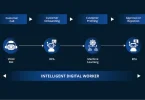

In today’s fast-paced digital world, businesses need smarter ways to manage daily operations, save time, and improve productivity. This is where business automation tools become extremely valuable
Business automation tools help companies automate repetitive tasks such as marketing, customer support, accounting, project management, and workflow processes. These tools reduce manual work, improve accuracy, and allow employees to focus on more important business activities
Modern businesses in 2026 are increasingly using automation to improve efficiency, lower operational costs, and provide better customer experiences. From small startups to large companies, automation tools are helping businesses grow faster and stay competitive
In this guide, you will learn what business automation tools are, how they work, their types, benefits, challenges, and the best automation tools for businesses in 2026
What Are Business Automation Tools?
Business automation tools are software applications designed to automate repetitive business tasks and processes without requiring constant manual work
These tools help businesses save time, improve efficiency, reduce human errors, and increase productivity across different departments such as marketing, sales, accounting, customer service, and project management
Simple Meaning
In simple words, business automation tools are programs that handle routine tasks automatically so businesses can work faster and more efficiently
Main Purpose of Business Automation Tools
The main purpose of these tools is to simplify business operations, reduce manual effort, and improve overall workflow management
How Business Automation Tools Work
Automation tools use software systems, workflows, triggers, and integrations to perform tasks automatically based on specific conditions or actions
For example:
- Sending automatic emails to customers
- Updating inventory levels automatically
- Scheduling social media posts
- Generating invoices instantly
- Assigning tasks to team members automatically
Common Areas Where Automation Is Used
Businesses use automation tools in many areas including:
- Marketing automation
- Customer support
- Sales management
- Accounting and finance
- Human resources
- Inventory management
- Ecommerce operations
- Workflow management
Key Features of Business Automation Tools
Most automation tools include features such as:
- Workflow automation
- Task scheduling
- Real-time notifications
- Data tracking and reporting
- Cloud-based access
- Integration with other software
- Analytics and performance monitoring
Why Businesses Need Automation Tools
Businesses need automation tools to reduce repetitive work, improve accuracy, speed up operations, and handle growing workloads more efficiently
Importance in Modern Business
In 2026, automation tools are becoming essential because businesses must operate faster, provide better customer experiences, and compete in highly digital markets
Examples of Business Automation Tools
Popular automation tools include:
- Zapier for workflow automation
- HubSpot for marketing and CRM automation
- Salesforce for sales automation
- QuickBooks for accounting automation
Benefits of Using Automation Tools
Businesses can improve productivity, reduce operational costs, improve communication, and increase customer satisfaction through automation
Overall, business automation tools help organizations work smarter, improve efficiency, and support long-term business growth in 2026
you may also like to read these posts;
AI Business Automation Tips for Faster Growth 2026
Marketing Automation Guide 2026 Boost Sales Fast
Small Business Automation Guide for 2026 Growth & Success
How to Automate Business Tasks in 2026
Workflow Automation Software Guide for 2026
Types of Business Automation Tools

Businesses use different types of automation tools to manage daily operations more efficiently. Each tool is designed to automate specific tasks and improve productivity across different departments
Marketing Automation Tools
Marketing automation tools help businesses automate email campaigns, social media posting, lead generation, and customer engagement
Popular examples include:
- HubSpot
- Mailchimp
Customer Relationship Management (CRM) Tools
CRM automation tools help businesses manage customer interactions, sales pipelines, and customer support processes
Popular examples include:
- Salesforce
- Zoho
Accounting Automation Tools
These tools automate invoicing, expense tracking, payroll, and financial reporting to improve accounting efficiency
Popular examples include:
- QuickBooks
- Xero
Project Management Automation Tools
Project management tools help teams organize tasks, track progress, and automate workflows for better collaboration
Popular examples include:
- Asana
- Trello
Human Resources (HR) Automation Tools
HR automation tools manage employee records, attendance, payroll, recruitment, and performance tracking
Popular examples include:
- BambooHR
- Workday
Ecommerce Automation Tools
These tools help ecommerce businesses automate inventory management, order processing, shipping, and customer communication
Popular examples include:
- Shopify
- WooCommerce
Workflow Automation Tools
Workflow automation tools connect apps and automate repetitive business processes between different systems
Popular examples include:
- Zapier
- Make
Customer Support Automation Tools
These tools automate live chat, ticket management, and customer support responses
Popular examples include:
- Zendesk
- Freshworks
Social Media Automation Tools
Social media tools help businesses schedule posts, manage campaigns, and track engagement automatically
Popular examples include:
- Buffer
- Hootsuite
Inventory and Supply Chain Automation Tools
These tools automate stock tracking, warehouse management, and logistics operations
Popular examples include:
- SAP
- Oracle
Communication and Collaboration Tools
Automation tools also improve team communication, file sharing, and collaboration
Popular examples include:
- Slack
- Microsoft Teams
Overall, different types of business automation tools help companies improve efficiency, save time, reduce costs, and support business growth in 2026
How Business Automation Tools Work
Business automation tools work by using software, workflows, and predefined rules to complete tasks automatically without constant human involvement
These tools connect different business systems and automate repetitive activities to improve efficiency and accuracy
Data Collection
Automation tools first collect data from different business activities such as customer interactions, sales records, inventory systems, or employee tasks
Workflow Creation
Businesses create workflows that define how tasks should be completed automatically. These workflows act as step-by-step instructions for the software
For example:
- When a customer places an order, the system automatically sends a confirmation email
- When inventory is low, the system automatically creates a restocking alert
Trigger-Based Actions
Most automation tools work using triggers. A trigger is an event that starts an automated action
Examples include:
- Receiving a new customer inquiry
- Completing a payment
- Updating a project status
- Submitting an online form
Task Automation
Once triggered, the system automatically performs tasks such as:
- Sending emails
- Updating records
- Assigning tasks
- Scheduling appointments
- Processing invoices
- Tracking shipments
Integration With Other Software
Automation tools often connect with other business systems like CRM software, accounting platforms, ecommerce stores, and communication tools
This integration allows data to move automatically between systems without manual entry
Real-Time Monitoring
Modern automation tools monitor workflows and business activities in real time to ensure everything runs smoothly
Reporting and Analytics
These tools generate reports and analytics to help businesses measure performance, productivity, and workflow efficiency
Cloud-Based Access
Many automation tools are cloud-based, allowing businesses to access systems remotely from anywhere with internet access
Artificial Intelligence and Smart Automation
Advanced automation systems use AI and machine learning to improve decision-making, predict trends, and automate more complex tasks
Error Reduction
Automation reduces human mistakes by handling repetitive processes consistently and accurately
Improved Communication
Automation tools can instantly send notifications, reminders, updates, and alerts to employees or customers
Continuous Process Improvement
Businesses can monitor automated workflows and make improvements over time to increase efficiency and productivity
Overall, business automation tools work by simplifying repetitive tasks, connecting systems, improving accuracy, and helping businesses operate more efficiently in 2026
Why Business Automation Tools Are Important

Business automation tools are important because they help companies save time, improve productivity, reduce manual work, and manage operations more efficiently
As businesses continue to grow in 2026, automation has become essential for handling repetitive tasks quickly and accurately
Save Time
Automation tools complete routine tasks automatically, allowing employees to focus on more important business activities
Improve Productivity
Businesses can complete more work in less time by reducing manual processes and streamlining operations
Reduce Human Errors
Automated systems perform tasks consistently and accurately, reducing mistakes caused by manual work
Increase Efficiency
Automation speeds up workflows and improves coordination between departments and systems
Lower Operational Costs
Businesses can reduce labor costs, paperwork, and unnecessary expenses through automation
Improve Customer Experience
Automation tools help businesses provide faster responses, accurate information, and better customer support
Better Workflow Management
Businesses can organize tasks, monitor progress, and manage operations more effectively
Faster Decision Making
Real-time data and automated reporting help businesses make quicker and smarter decisions
Improve Communication
Automation tools improve communication by sending automatic notifications, reminders, and updates
Support Business Growth
Automation allows businesses to handle increasing workloads without hiring large teams
Better Data Management
Automation systems collect, organize, and update business data automatically for better accuracy and accessibility
Improve Employee Performance
Employees spend less time on repetitive tasks and can focus on strategic and creative work
Enhance Team Collaboration
Project management and communication tools help teams work together more efficiently
Increase Business Scalability
Automation systems help businesses expand operations and manage higher customer demand easily
Better Marketing and Sales Performance
Marketing automation improves lead generation, customer engagement, and sales management
Improve Financial Management
Accounting automation tools help businesses manage invoices, expenses, payroll, and financial reporting more accurately
Strengthen Competitive Advantage
Businesses using automation tools can operate faster and provide better service than competitors
Improve Business Flexibility
Automation helps companies quickly adapt to market changes and customer demands
Overall, business automation tools are important because they help businesses operate smarter, reduce costs, improve efficiency, and support long-term growth in 2026
What are business automation tools?
Business automation tools are software applications that automate repetitive business tasks and improve workflow efficiency
Why are business automation tools important?
They help businesses save time, reduce manual work, improve productivity, and lower operational costs
Which businesses use automation tools?
Small businesses, startups, ecommerce stores, and large companies all use automation tools
Conclusion
Business automation tools have become an essential part of modern business operations in 2026. They help companies automate repetitive tasks, improve efficiency, reduce costs, and increase overall productivity
From marketing and customer support to accounting and project management, automation tools make daily business processes faster, smarter, and more accurate
Businesses that use automation tools can save valuable time, improve customer experiences, reduce human errors, and focus more on growth and innovation
As technology continues to advance, business automation will play an even bigger role in helping companies stay competitive and achieve long-term success in the digital world